


What's Happening?
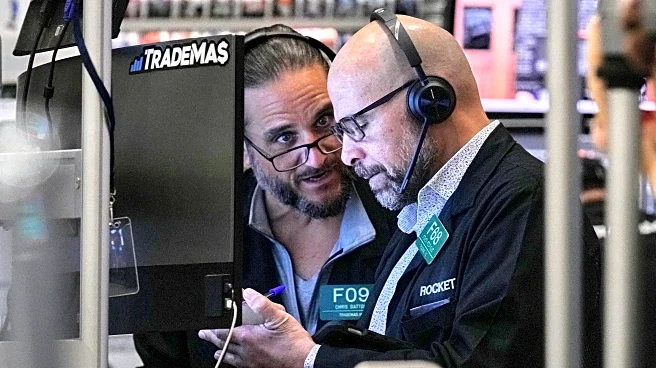
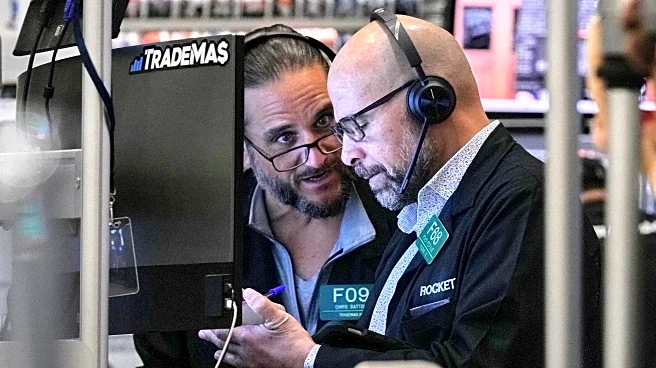
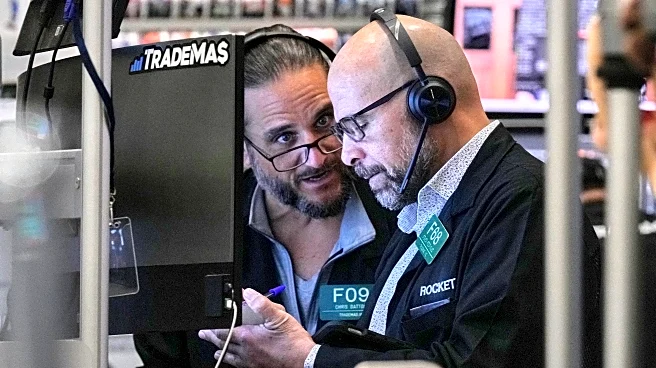
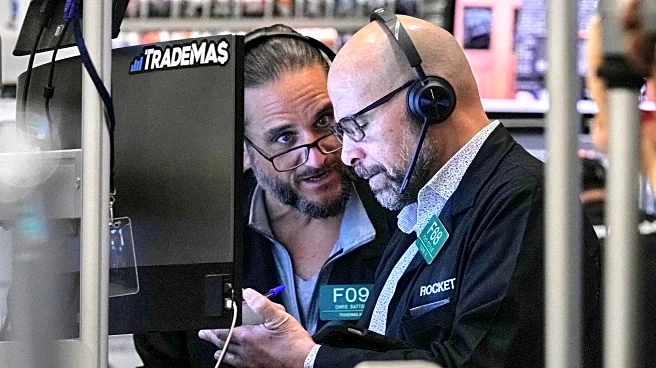
Nvidia's recent profit report, which exceeded Wall Street expectations, has not been enough to buoy the U.S. stock market. Despite reporting another quarter of significant profit growth and providing a revenue forecast that surpassed estimates, Nvidia's stock fell
by 5.3%. This decline is attributed to concerns that the company's customers may eventually reduce their spending on Nvidia's chips and other AI investments. Nvidia's influence on the S&P 500, being the largest stock by value, contributed to the index's 0.8% drop. Meanwhile, Salesforce saw a 3.2% rise in its stock after reporting stronger-than-expected profits and announcing a $50 billion stock buyback plan.
Why It's Important?
The performance of Nvidia is crucial as it is a major player in the AI industry, which is currently experiencing rapid growth. The company's stock movements significantly impact the broader market due to its size. The decline in Nvidia's stock highlights investor concerns about the sustainability of AI investments and their potential returns. This situation underscores the volatility in tech stocks, particularly those involved in AI, as investors weigh the long-term viability of these technologies. Additionally, Salesforce's positive performance suggests that companies integrating AI into their business models may still find investor favor, provided they demonstrate clear profitability and strategic growth plans.
What's Next?
Investors and market analysts will likely continue to monitor Nvidia's performance and its impact on the broader market. The company's future earnings reports and customer spending patterns on AI technologies will be critical indicators of its stock trajectory. Additionally, the ongoing developments in AI technology and its adoption across various industries will play a significant role in shaping investor sentiment. Companies like Salesforce that effectively leverage AI to enhance their offerings may continue to attract investment, provided they maintain strong financial performance.
Beyond the Headlines
The current market dynamics reflect a broader trend of skepticism towards high-growth tech stocks, particularly those heavily invested in AI. This skepticism may lead to increased scrutiny of AI's actual impact on productivity and profitability. As AI continues to evolve, ethical and regulatory considerations may also come to the forefront, influencing both market performance and public perception. The balance between innovation and tangible returns will be a key factor for companies in the tech sector moving forward.