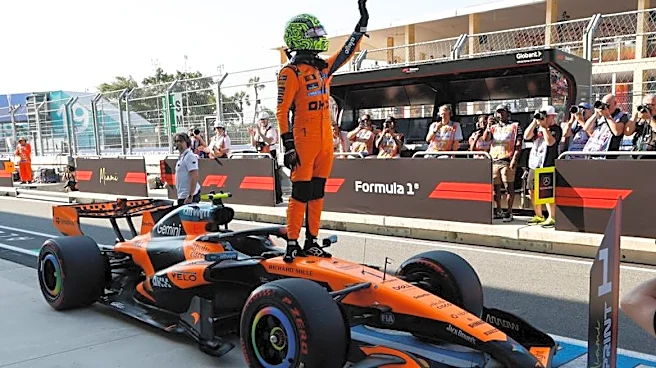

What's Happening?
The 2026 Formula 1 season resumes with the Miami Grand Prix, featuring significant changes in energy deployment rules and potential weather disruptions. The Miami International Autodrome, a 5.412-kilometer
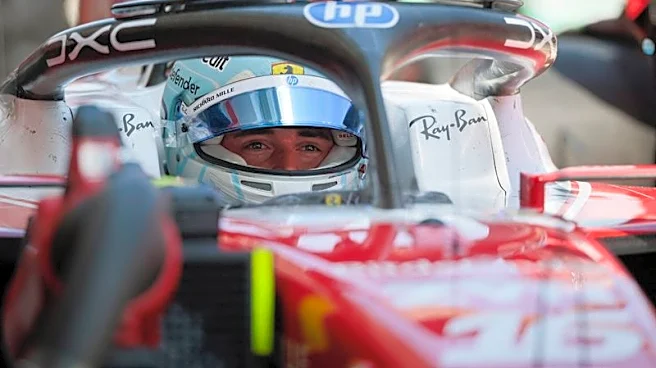
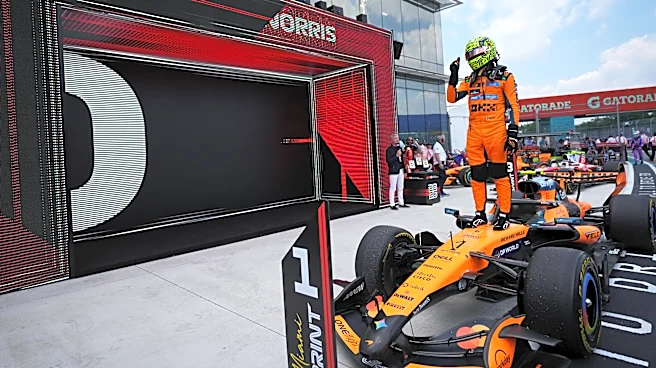
circuit, is known for its challenging turns and has not favored pole-sitters in past races. Recent adjustments by F1 and the FIA include changes to energy deployment, boost use, and race-start safety, which are expected to impact race strategies. Teams like McLaren, Ferrari, and Red Bull have used the five-week break to implement upgrades. Kimi Antonelli of Mercedes secured pole position, with Max Verstappen and Charles Leclerc following. Weather forecasts predict thunderstorms, adding uncertainty to the race outcome.
Why It's Important?
The adjustments in energy deployment and potential weather conditions could significantly impact team strategies and race outcomes. These changes emphasize energy management and traction, potentially altering the competitive landscape. The race's unpredictability could affect betting odds and fan engagement, as historical data shows that pole position does not guarantee victory in Miami. The upgrades by major teams could shift the balance of power, influencing the championship standings. The race's outcome may have broader implications for team strategies in future races, especially concerning energy management and adaptation to weather conditions.
What's Next?
As the race approaches, teams will need to adapt their strategies to the new energy deployment rules and potential weather disruptions. The outcome of the Miami Grand Prix could influence team decisions on future upgrades and energy management strategies. Stakeholders, including teams and sponsors, will closely monitor the race's impact on championship standings and fan engagement. The race's unpredictability may lead to increased interest and viewership, potentially affecting sponsorship and advertising opportunities.