






What's Happening?
Sanjay Borkar, Co-founder and CEO of FarmERP, highlights the increasing role of technology in agriculture, driven by tight margins, fragmented farms, and climate risks. FarmERP offers a digital platform that integrates various aspects of farm management,
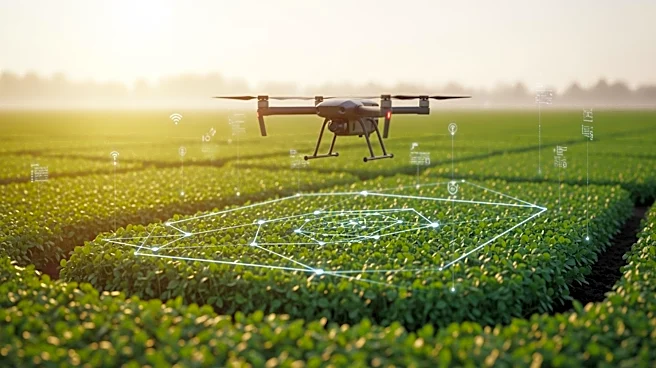
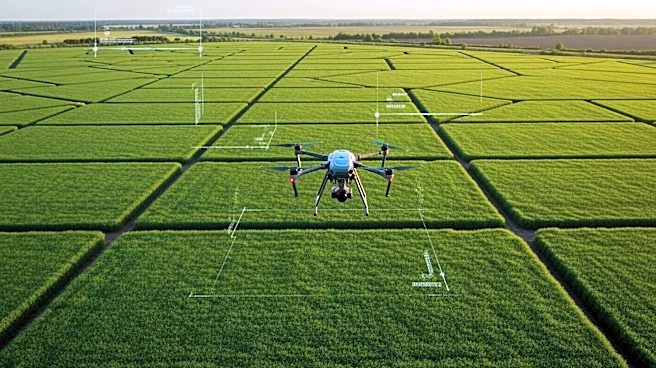
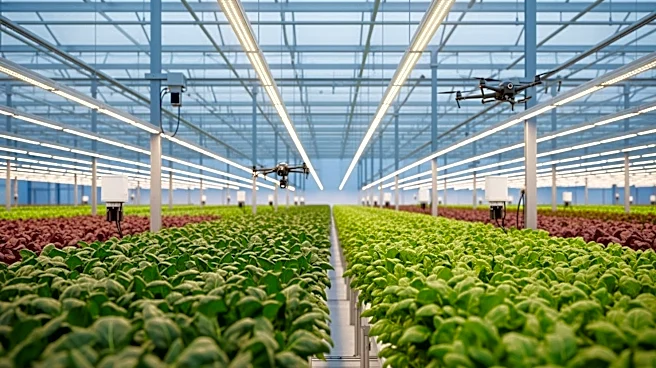
including procurement, logistics, and compliance, into a unified system. This approach aims to improve decision-making and resource use, addressing issues like overuse of water and fertilizers. The platform employs AI-driven analytics, IoT sensors, and blockchain for traceability, helping agribusinesses forecast yields and optimize operations. FarmERP's solutions are used across 30 countries, supporting enterprises in regions like India, Africa, and Latin America.
Why It's Important?
The adoption of smart agriculture technologies is crucial for enhancing the efficiency and sustainability of the agricultural sector. By providing real-time insights and data-driven decision-making tools, platforms like FarmERP can help reduce waste, improve traceability, and mitigate the impacts of climate change. This is particularly important in regions facing significant climate risks and regulatory pressures. The shift towards data-centric farming practices can lead to more resilient supply chains and better resource management, ultimately supporting global food security and economic stability.
What's Next?
As the demand for smart agriculture solutions grows, companies like FarmERP are likely to expand their reach and capabilities. The integration of AI and IoT in farm management is expected to become more widespread, transforming traditional agricultural practices. This shift could lead to increased investment in agricultural technology and innovation, as well as greater collaboration between tech companies and agribusinesses. The focus will likely be on developing more comprehensive and scalable solutions that address the diverse needs of the agricultural sector.