


What's Happening?
Elon Musk has announced that Tesla will launch its 'Terafab' AI chip factory project next week. This initiative aims to address Tesla's supply chain challenges by manufacturing its own artificial intelligence chips. The project is part of Tesla's strategy
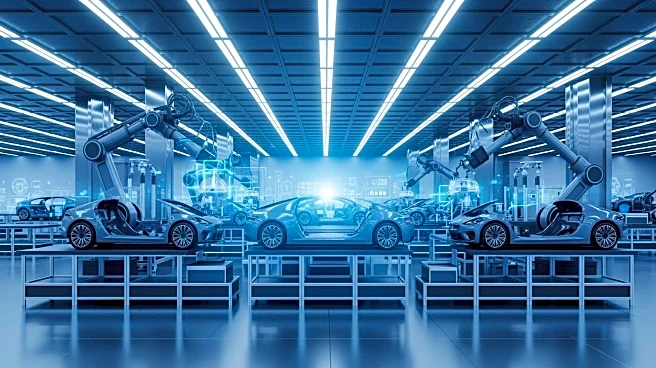
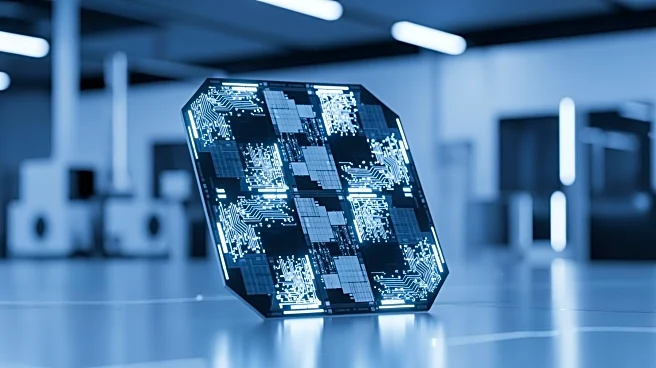
to achieve total vertical integration, similar to its previous efforts in battery production and lithium refining. The Terafab is expected to be a facility akin to a Gigafactory but focused on AI chips, which are crucial for Tesla's vehicles and future robotics projects. The company has already designed its next-generation AI5 chip, which will significantly enhance computing power and memory capacity. The Terafab is anticipated to include multiple modules capable of producing a substantial number of chips monthly, potentially making it the most advanced AI chip factory globally.
Why It's Important?
The launch of the Terafab project is significant as it represents Tesla's move towards self-reliance in chip production, a critical component for its AI and robotics ambitions. By manufacturing its own chips, Tesla aims to overcome the limitations of external suppliers and secure the necessary volume for its future technologies. This development could position Tesla as a leader in AI chip production, potentially impacting the broader tech industry by setting new standards for vertical integration. The success of the Terafab could also enhance Tesla's competitive edge in the automotive and robotics sectors, as it would enable the company to deploy advanced AI capabilities across its product lines more efficiently.
What's Next?
As Tesla prepares to launch the Terafab project, the company faces the challenge of building a chip factory from scratch, which is considered one of the most complex technical endeavors. The location of the Terafab remains undisclosed, and it is unclear whether Tesla will construct a new site or expand an existing facility with partners like Samsung or Intel. The project's success will depend on Tesla's ability to navigate these logistical and technical challenges. If successful, the Terafab could revolutionize Tesla's production capabilities and set a precedent for other companies in the tech and automotive industries.