






What's Happening?
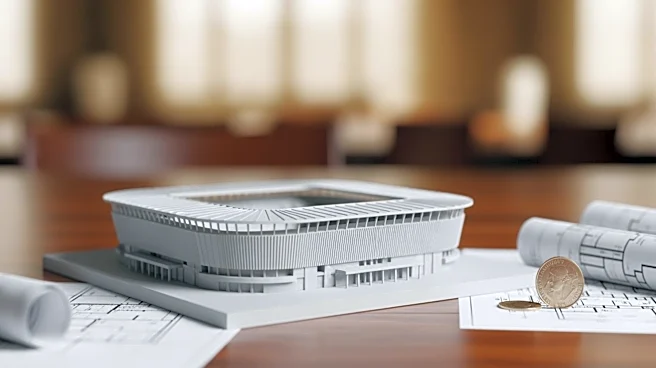
A recent poll conducted by the University of Illinois Springfield Center for State Policy and Leadership reveals that a majority of Illinois residents prefer limited public funding for a new Chicago Bears stadium. The survey, which included 1,000 participants
representative of the state's demographics, found that nearly 70% of respondents support funding new stadiums mostly or entirely with private dollars. Specifically, 37% advocate for fully private funding, while 32% favor more private than public funding. Only 16% support an even split between public and private funding, and less than 15% are in favor of relying more on tax dollars. The poll also indicates that opinions on funding are consistent across political affiliations. Additionally, 37% of respondents believe the government should allow the Bears to leave Soldier Field without taxpayer funds for a new stadium, while 27% support matching Indiana's offer of $1 billion in public funding for a new stadium in Hammond.
Why It's Important?
The poll's findings highlight a significant public sentiment against using taxpayer money for sports infrastructure, reflecting broader national debates on public funding for private sports enterprises. This sentiment could influence state and local government negotiations with the Chicago Bears, potentially affecting the team's future location and financial strategies. The preference for private funding aligns with a growing trend of fiscal conservatism among taxpayers, who are increasingly wary of public expenditures on sports facilities. This could lead to a reevaluation of how sports teams and municipalities negotiate stadium deals, impacting economic development strategies and public-private partnerships in the sports industry.
What's Next?
As the Bears' contract at Soldier Field runs through 2033, the team and local governments will need to navigate public opinion and financial constraints in their negotiations. The poll suggests that any future proposals involving public funding will likely face scrutiny and require strong justification to gain public support. The Bears may need to explore alternative funding models or locations that align with public preferences, potentially looking at more private investment or partnerships. The outcome of these negotiations could set a precedent for other sports teams and cities facing similar funding dilemmas.