


What's Happening?
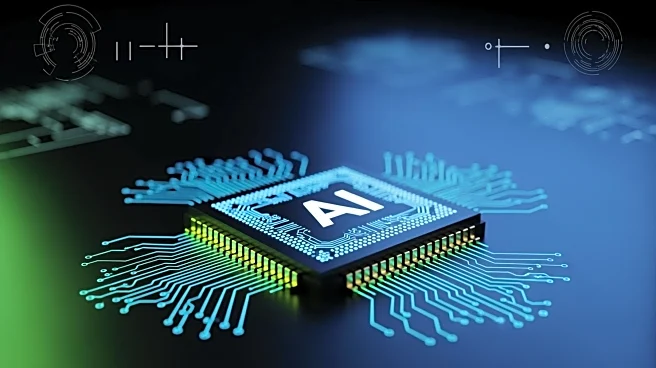
Ericsson is advancing its AI-RAN technology by focusing on custom silicon, aiming to reduce dependency on Nvidia's GPUs. At a pre-MWC event in London, Ericsson showcased its AI-RAN products designed to operate on its own silicon, diverging from the industry trend of using general-purpose processors. This move comes as Ericsson seeks to maintain software freedom and avoid vendor lock-in, a concern highlighted by Nokia's recent partnership with Nvidia. Ericsson's strategy involves developing a versatile software base that can be deployed across various silicon platforms, aligning with service providers like Orange. The company is also exploring the use of AI to enhance spectral efficiency and performance in its 5G products.
Why It's Important?
Ericsson's decision
to invest in custom silicon for AI-RAN technology reflects a strategic effort to maintain control over its software and hardware integration. This approach could influence the broader telecom industry, which is rapidly evolving with new technologies and partnerships. By avoiding dependency on Nvidia, Ericsson positions itself to adapt to future market shifts and technological advancements. This strategy may impact competitors and partners, as it challenges the prevailing trend of using general-purpose processors for AI-RAN. The move also underscores the importance of flexibility and independence in a market where technological and economic conditions can change swiftly.
What's Next?
Ericsson's focus on custom silicon and AI-RAN independence may lead to further developments in its product offerings and partnerships. The company is likely to continue refining its software to ensure compatibility with various hardware platforms, potentially influencing industry standards. As Ericsson's AI-RAN products gain traction, other telecom companies may reassess their strategies regarding hardware and software integration. The success of Ericsson's approach could prompt a reevaluation of partnerships and investments in the telecom sector, particularly concerning AI and 5G technologies.