








What's Happening?
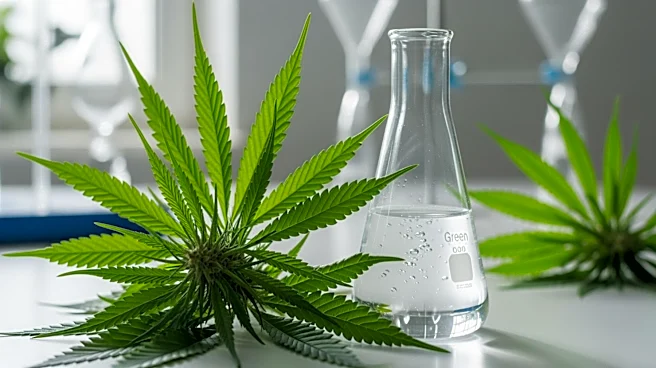
Researchers from Augusta University have proposed a novel biorefinery model using industrial hemp to produce both green hydrogen and therapeutic cannabinoids. This approach involves genetically engineering hemp plants to modify their chloroplasts for
hydrogen production during the vegetative phase and cannabinoid production during the flowering phase. The model aims to create a zero-waste, three-phase harvest system, maximizing the use of hemp for energy, pharmaceuticals, and industrial materials.
Why It's Important?
This dual-use model could revolutionize the industrial hemp industry by providing a sustainable source of clean energy and high-value pharmaceuticals. The economic potential is significant, with projections of high returns and a short break-even period compared to other biohydrogen systems. This approach could also reduce reliance on food crops for biofuel production, aligning with global sustainability goals and offering a new revenue stream for hemp farmers.
What's Next?
The researchers plan to conduct proof-of-concept studies and engage with industry partners to develop this model further. Overcoming technical and regulatory challenges, such as stable chloroplast transformation and navigating GMO regulations, will be crucial. Successful implementation could position industrial hemp as a key player in the transition to a sustainable energy and pharmaceutical economy.