









What's Happening?
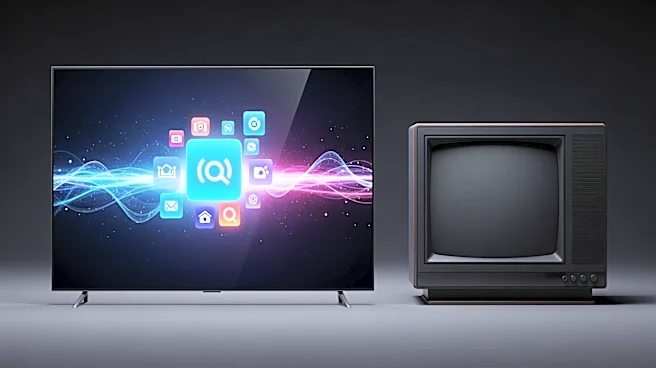
CNET discusses the current state of the television market, highlighting the dominance of smart TVs over traditional 'dumb' TVs. Despite a persistent demand for TVs without internet connectivity, the market is overwhelmingly populated by smart TVs, which
are often more cost-effective due to subsidies from companies like Google and Amazon. These companies pay manufacturers to include their streaming software, allowing TVs to be sold at lower prices. The article notes that while non-smart TVs are still available, they are typically smaller, less feature-rich, and not significantly cheaper than their smart counterparts. The piece also explores alternatives such as using computer monitors or commercial displays as TV substitutes, though these options come with their own limitations.
Why It's Important?
The shift towards smart TVs reflects broader trends in consumer electronics, where connectivity and data collection are increasingly integral to product design and pricing strategies. This trend has implications for consumer privacy, as smart TVs often collect user data. The economic model where tech giants subsidize hardware to promote their ecosystems highlights the growing influence of these companies in the consumer electronics market. For consumers, this means fewer choices if they wish to avoid internet-connected devices, potentially impacting those concerned about privacy or those in areas with limited internet access.