





What's Happening?
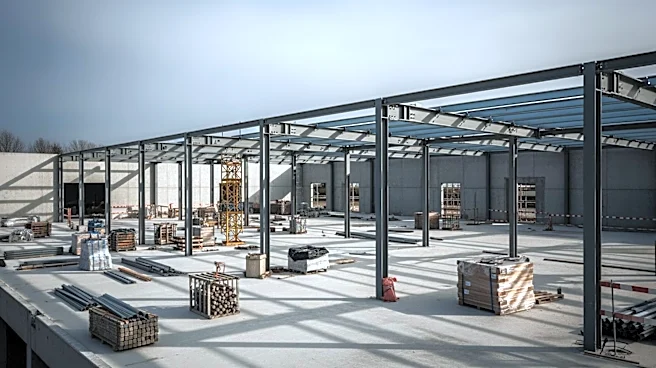
Retail construction activity in the U.S. decreased in the first quarter of 2026, with approximately 64.2 million square feet of retail space under construction, down from 70 million square feet a year earlier. This decline is attributed to rising land
prices, construction costs, and interest rates, which have made it difficult to achieve returns that justify new developments. Developers are cautious due to heightened supply risk awareness, and retailers are adopting capital-disciplined expansion strategies. The competition for sites from residential, industrial, and mixed-use projects further constrains retail development opportunities, particularly in infill locations.
Why It's Important?
The pullback in retail construction highlights the challenges facing the sector, including cost pressures and competition from e-commerce. This trend may impact the availability of new retail spaces, affecting retailers' ability to expand and adapt to changing consumer preferences. The decline in construction activity could also influence local economies, particularly in areas reliant on retail development for job creation and economic growth. As developers and retailers navigate these challenges, the focus may shift towards optimizing existing spaces and exploring alternative growth strategies.
What's Next?
Retail developers and stakeholders may need to reassess their strategies, considering the feasibility of new projects in light of current market conditions. The emphasis on smaller footprints and selective growth could lead to innovative approaches in retail design and operations. As the sector adapts to these changes, there may be increased interest in mixed-use developments that integrate retail with residential and industrial spaces. Monitoring construction activity in high-growth markets like Texas could provide insights into successful strategies for overcoming current challenges.