







What's Happening?
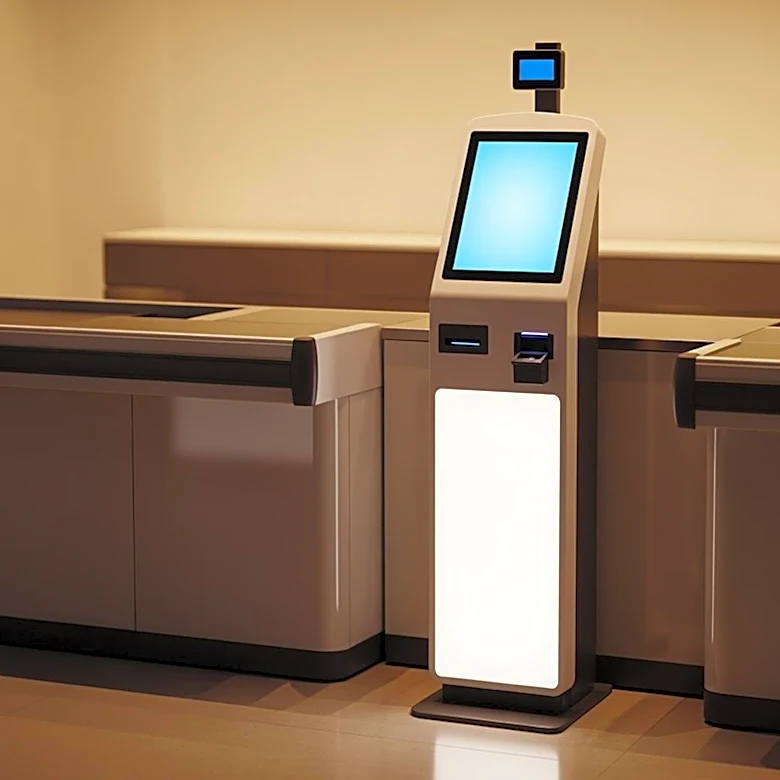
In West Texas, the use of self-checkout systems in retail stores has sparked a debate among residents. Many locals express concerns that self-checkouts contribute to job losses, as they replace traditional cashier roles. While some appreciate the convenience
and control over their shopping experience, others feel that the technology dehumanizes the shopping process and adds pressure to complete transactions quickly. The sentiment is that self-checkouts benefit large corporations at the expense of local employment, prompting discussions about the broader implications of automation in the workplace.
Why It's Important?
The debate over self-checkouts in West Texas reflects a broader national conversation about the impact of automation on employment. As technology continues to advance, there is growing concern about the displacement of workers and the potential widening of economic inequality. The situation in West Texas highlights the need for a balanced approach to technological adoption, where the benefits of efficiency and convenience are weighed against the social and economic costs. This issue is particularly relevant for policymakers and business leaders as they navigate the challenges of integrating technology into the workforce.
Beyond the Headlines
The resistance to self-checkouts in West Texas also touches on cultural values, such as the importance of community and personal interaction. The preference for human cashiers over machines may reflect a desire to preserve social connections and support local employment. This cultural dimension adds complexity to the discussion about automation, suggesting that technological solutions should be tailored to the specific needs and values of different communities. As automation becomes more prevalent, it will be important to consider these cultural factors in the design and implementation of new technologies.