







What's Happening?
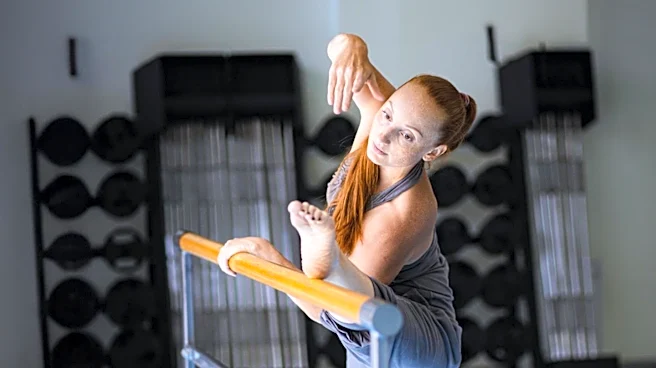
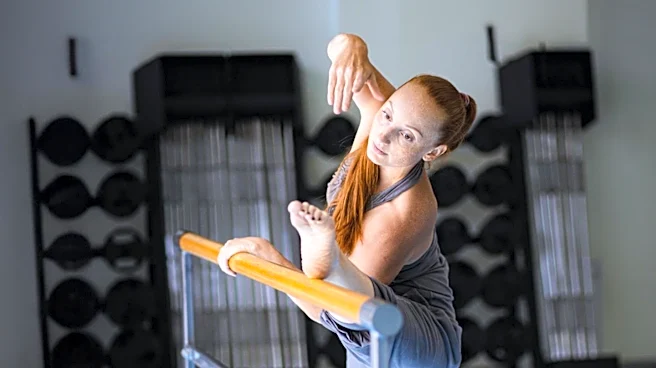
Dr. Amanda Kahn, a primary care doctor and longevity specialist, advocates for incorporating resistance exercises into daily routines to promote bone and spine health. She suggests using wrist and ankle weights or a weighted vest during everyday activities,
such as rollerblading or even blow-drying hair. This approach aims to prevent osteoporosis and sarcopenia by maintaining bone mass and muscle strength. Dr. Kahn emphasizes that these exercises can be easily integrated into daily life, offering a practical solution for those seeking to improve their longevity and overall health.
Why It's Important?
The recommendation to use resistance exercises for bone health is significant as it provides a simple, accessible method for individuals to enhance their physical well-being. As people age, maintaining bone density becomes crucial to prevent fractures and other health issues. Dr. Kahn's approach offers a low-cost, effective strategy that can be adopted by a wide audience, including those who may not have access to gym facilities or prefer exercising at home. This advice aligns with a growing trend towards preventive health measures and personalized wellness routines.
What's Next?
As awareness of the benefits of resistance exercises for bone health grows, more individuals may adopt these practices into their daily lives. Healthcare providers might increasingly recommend such exercises as part of routine health advice, particularly for aging populations. Additionally, the fitness industry could see a rise in demand for wearable weights and other equipment designed for at-home use, potentially leading to innovations in product design and marketing strategies.
Beyond the Headlines
Dr. Kahn's advice reflects a broader movement towards integrating health and wellness into everyday life, emphasizing the importance of small, consistent actions over time. This approach challenges the notion that effective exercise requires extensive time or resources, making it more inclusive and accessible. It also highlights the potential for everyday activities to contribute to long-term health goals, encouraging a more holistic view of fitness and well-being.