







What's Happening?
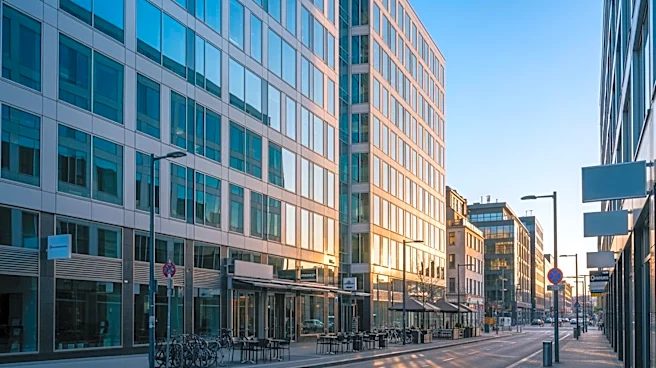
Fidelity Investments has announced that it will be requiring its Boston-based employees to return to the office this fall. This decision is anticipated to increase foot traffic in the area, which is welcomed by local businesses. The move comes as part
of a broader trend where companies are adjusting their remote work policies post-pandemic. Fidelity's decision reflects a shift towards more traditional work environments, potentially signaling a change in how businesses operate in urban centers like Boston.
Why It's Important?
The return of Fidelity's workforce to the office is significant for several reasons. Firstly, it could lead to a revitalization of local businesses that have suffered from reduced foot traffic during the pandemic. Restaurants, cafes, and retail stores in the vicinity of Fidelity's offices are likely to see an increase in customers, which could help in their economic recovery. Additionally, this move may influence other companies in the area to reconsider their remote work policies, potentially leading to a broader economic impact on the commercial real estate market in Boston. The decision also highlights the ongoing debate about the future of work and the balance between remote and in-office work environments.
What's Next?
As Fidelity implements its return-to-office plan, other companies in Boston and beyond may observe the outcomes closely. If the move proves beneficial for local businesses and Fidelity's operations, it could encourage similar actions from other firms. Additionally, there may be discussions around the long-term implications for commercial real estate, as increased demand for office space could lead to changes in leasing strategies and property values. Stakeholders, including city planners and business leaders, will likely monitor these developments to assess their impact on the local economy.