



What's Happening?
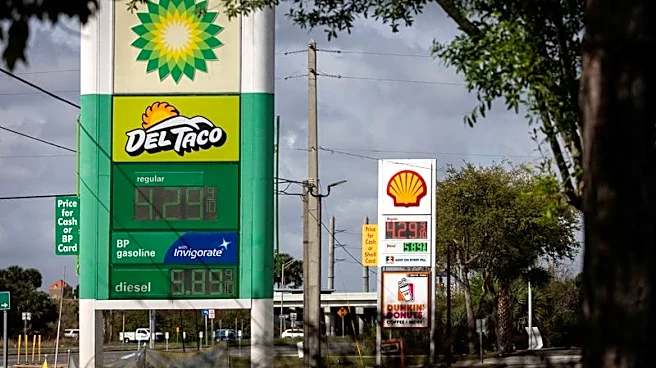
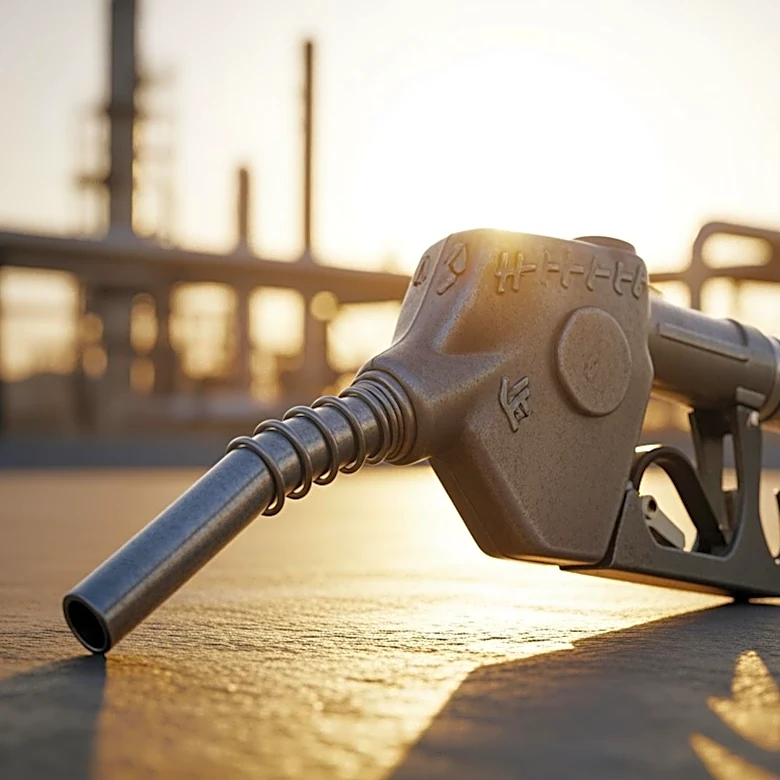
As U.S. gas prices remain elevated due to ongoing geopolitical tensions, consumers are seeking ways to reduce their fuel expenses. The average cost of a gallon of regular gasoline is currently $4.05, significantly higher than pre-conflict levels. To alleviate
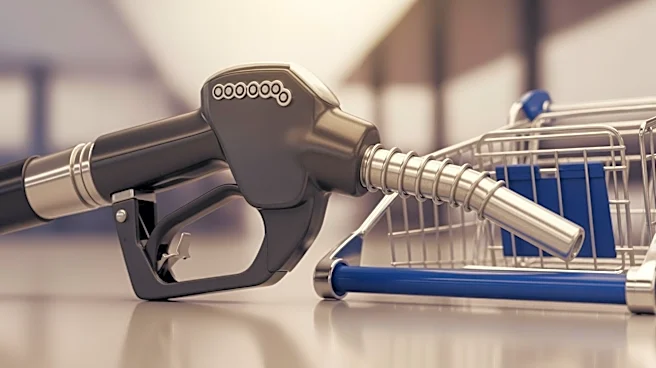
the financial burden, many consumers are turning to loyalty programs offered by supermarkets and gas stations. Retailers like Kroger and Walmart provide fuel rewards programs that allow shoppers to earn points redeemable for discounts at the pump. For instance, Kroger's program offers up to $1 off per gallon at its fuel stations and certain Shell locations. Similarly, Walmart+ members can receive a 10-cent discount per gallon at over 13,000 stations. Additionally, warehouse clubs such as Costco and Sam's Club offer discounted gas prices to their members, with Costco's fuel costing 34 cents less than the national average.
Why It's Important?
The persistence of high gas prices has significant implications for U.S. consumers and the broader economy. With fuel being a major household expense, these loyalty programs provide a crucial financial relief mechanism, helping consumers manage their budgets more effectively. The programs also drive customer loyalty and increase foot traffic for participating retailers, potentially boosting their overall sales. Moreover, the widespread adoption of such programs highlights the growing importance of strategic partnerships between retailers and fuel providers in enhancing customer value. As consumers become more price-sensitive, these programs could influence shopping behaviors and brand preferences, impacting market dynamics in the retail and fuel sectors.
What's Next?
As gas prices are expected to remain high in the near term, more consumers may enroll in loyalty programs to maximize their savings. Retailers and gas stations might expand their offerings or introduce new incentives to attract and retain customers. Additionally, the success of these programs could prompt other businesses to explore similar strategies, potentially leading to increased competition and innovation in the loyalty program space. Stakeholders, including policymakers, may also monitor these developments to assess their impact on consumer spending and economic activity.