
What's Happening?
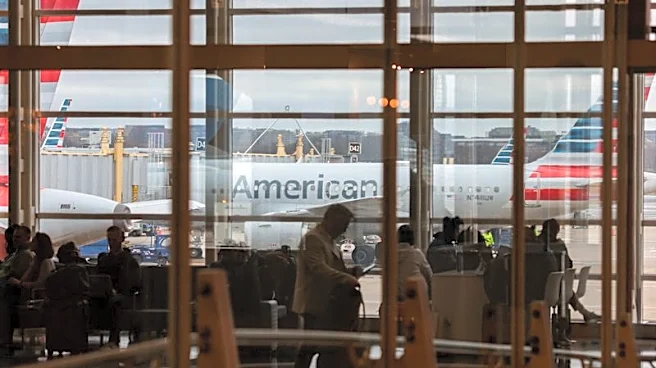
U.S. Representative Ritchie Torres has called on the CEOs of major U.S. airlines, including Delta Air Lines, United Airlines, JetBlue Airways, and Southwest Airlines, to reduce airfares if jet fuel prices
decrease. This request comes after a significant increase in fuel costs, which led airlines to raise surcharges, baggage fees, and ticket prices. Jet fuel prices have surged by approximately 95% since late February due to geopolitical tensions involving the U.S. and Israel. Torres emphasized the need for airlines to adjust their pricing models to reflect market conditions and ensure economic fairness for consumers. The airlines have not yet publicly responded to this request.
Why It's Important?
The call for fare reductions is significant as it addresses consumer concerns over rising travel costs, which have been exacerbated by increased fuel prices. Airlines' pricing strategies directly impact the affordability of air travel for millions of Americans. If airlines heed Torres' call, it could lead to more competitive pricing and increased accessibility to air travel. Conversely, maintaining high fares despite potential fuel price drops could strain consumer budgets and reduce travel demand. The situation also highlights the broader economic implications of fluctuating fuel prices on the airline industry and consumer spending.
What's Next?
As airlines prepare to report their financial results, they may face increased scrutiny over their pricing strategies. Should fuel prices decline, airlines might consider expanding capacity, which could lead to lower fares. However, the industry's response will depend on various factors, including demand trends and competitive pressures. Stakeholders, including consumer advocacy groups and policymakers, may continue to monitor and influence airline pricing practices to ensure they align with market conditions.