

What's Happening?
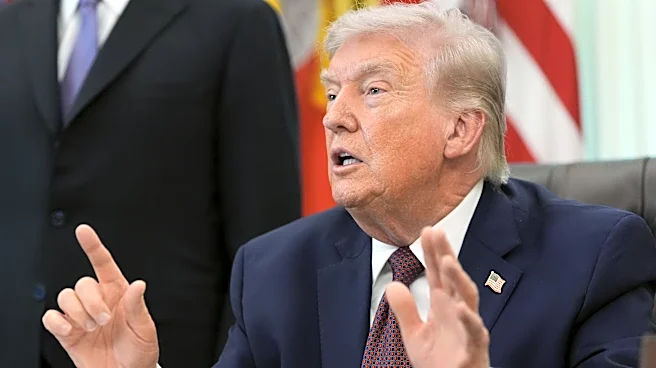
President Trump has announced new tariffs targeting the pharmaceutical and metal industries, marking a continuation of his trade agenda. The new orders impose a 100% tariff on patented pharmaceuticals manufactured abroad unless companies agree to build
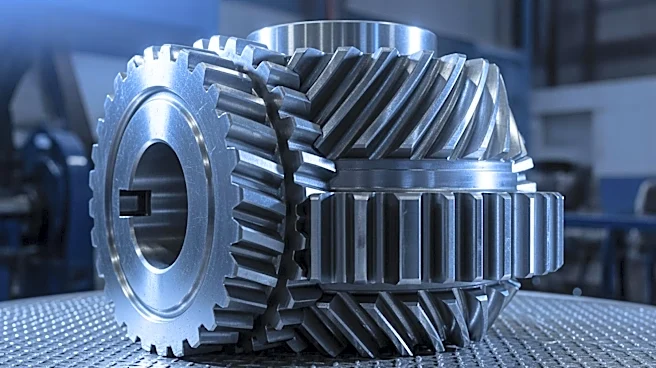
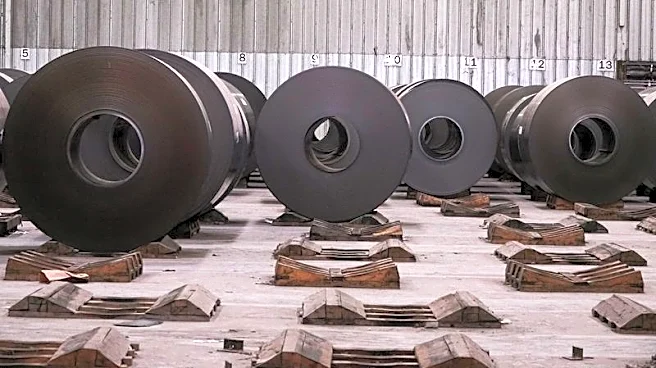
production facilities in the United States. Large pharmaceutical companies have 120 days to commit to these 'reshoring plans,' while smaller companies have 180 days. Those who comply will face a reduced tariff of 20%. Additionally, the European Union, Japan, South Korea, and Switzerland are exempt from the 100% tariff due to existing trade agreements, facing a 15% duty instead. In the metals sector, finished products containing significant amounts of steel, aluminum, and copper will now face a 25% tariff on their full value, rather than just the metal content. This move is intended to address what the administration describes as 'artificial manipulation' of metal prices by foreign countries.
Why It's Important?
These tariffs are part of President Trump's broader strategy to revitalize American manufacturing by encouraging companies to produce domestically. The pharmaceutical tariffs could lead to increased drug prices if companies pass on the costs to consumers, although the administration claims it will not affect affordability. The metal tariffs aim to simplify and ensure fairness in trade practices, potentially impacting industries reliant on imported metals. Critics argue that these measures may not lead to the promised job creation and economic growth, as similar past efforts have not yielded significant results. The tariffs could also strain international trade relations, particularly with countries not exempt from the new duties.
What's Next?
The pharmaceutical companies have a limited timeframe to decide on reshoring their production to avoid the steep tariffs. The administration's focus on reshoring could lead to negotiations with affected countries and companies to secure more favorable terms. The metal tariffs are set to take effect soon, and industries using these materials will need to adjust their supply chains and pricing strategies. The upcoming midterm elections may also influence the political landscape, as cost of living concerns could become a significant issue for voters.