





What's Happening?
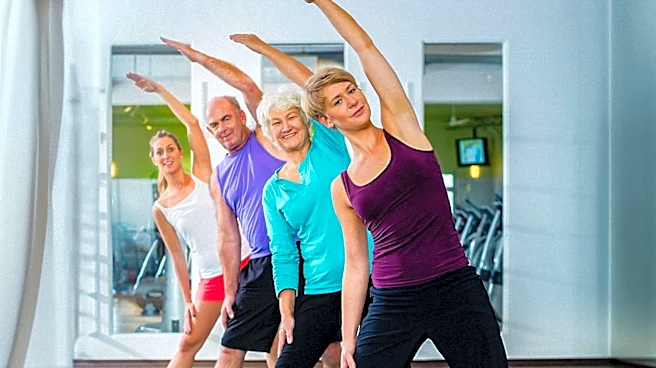
Dr. Deborah E. Sellmeyer, a clinical professor at Stanford Medicine, emphasizes the significance of good nutrition and weight-bearing activities in reducing the risk of osteoporosis, a condition that weakens bones and increases fracture risk. Osteoporosis
often goes undetected until a fracture occurs, making prevention crucial. Dr. Jad Sfeir from the Mayo Clinic highlights the importance of calcium and vitamin D intake, recommending 1,000 to 1,200 milligrams of calcium and 800 to 1,000 international units of vitamin D daily for postmenopausal women and older men. Sardines, rich in both nutrients, are recommended for those over 50. Additionally, avoiding alcohol and soda, which can harm bone health, is advised.
Why It's Important?
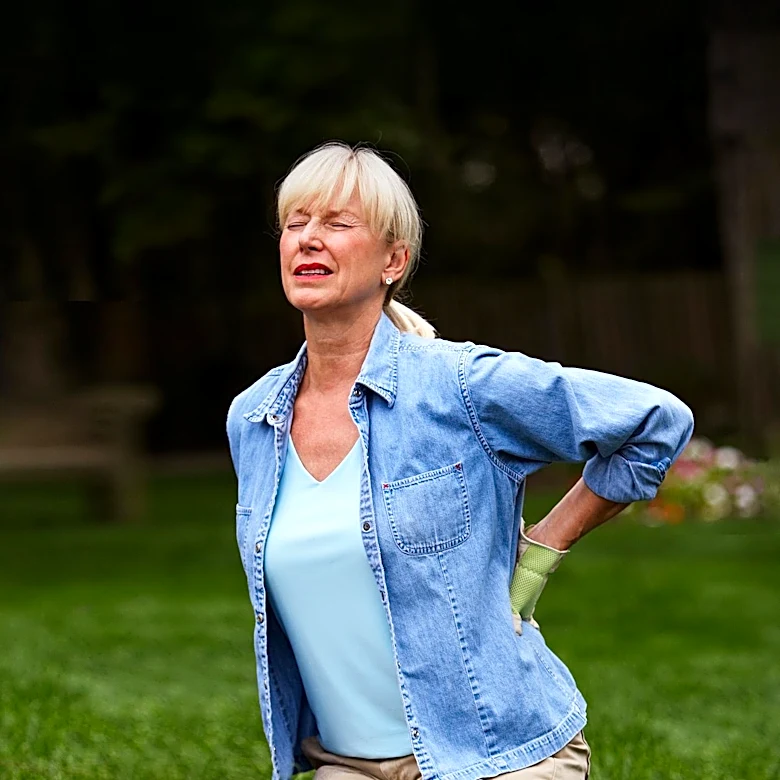
Osteoporosis poses a significant health risk, particularly for women over 50 and men over 70, due to decreased bone density and quality. The condition can lead to severe fractures, impacting mobility and quality of life. By focusing on diet and exercise, individuals can maintain bone health and reduce fracture risk. This approach not only benefits personal health but also reduces healthcare costs associated with treating osteoporosis-related injuries. The emphasis on dietary sources of calcium and vitamin D, such as sardines, highlights the importance of accessible and practical dietary changes in managing health risks.