





What's Happening?
Stanford University's latest AI Index report reveals significant shifts in the U.S. labor market due to artificial intelligence. The report indicates a 20% decline in employment for U.S. software developers aged 22 to 25 from its 2022 peak by September
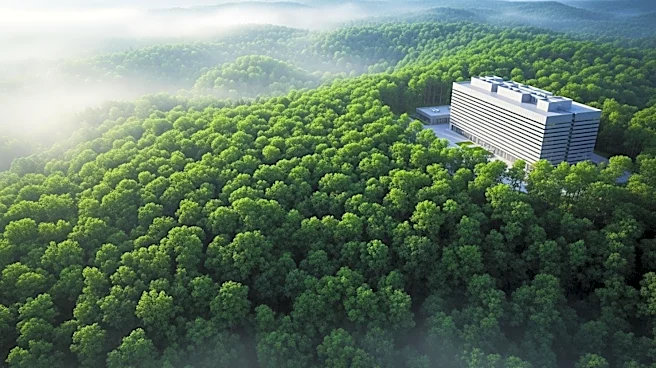
2025, while older developers' employment continues to grow. The report also highlights that one-third of companies plan to reduce their workforce in the coming year due to AI advancements. Despite these changes, the report notes that AI's contribution to productivity growth is minimal, with some AI tools even slowing down workers. The report also discusses the environmental impact of AI, with significant carbon emissions and water usage associated with AI data centers.
Why It's Important?
The findings underscore a potential generational divide in the labor market, where younger workers face more significant employment challenges due to AI. This shift could lead to increased economic inequality and necessitate policy interventions to support affected workers. The minimal productivity gains from AI suggest that while AI is transforming industries, its benefits are not evenly distributed across the workforce. The environmental concerns raised by the report highlight the need for sustainable practices in AI development and deployment. These issues could influence future regulatory and corporate strategies regarding AI and its integration into the economy.
What's Next?
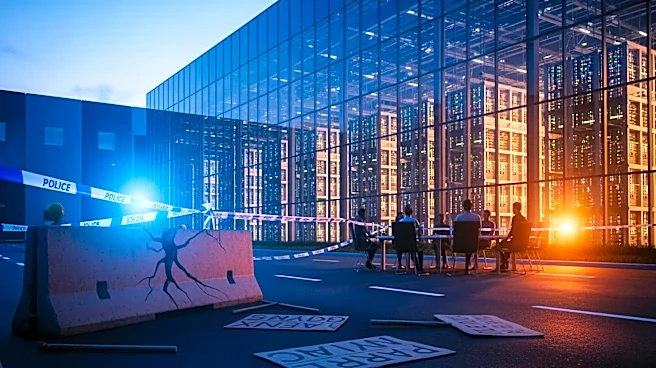
As AI continues to evolve, companies may need to reassess their workforce strategies to balance technological advancements with human employment. Policymakers might consider implementing measures to support younger workers and address the environmental impact of AI. The report's findings could prompt further research into optimizing AI tools for productivity and sustainability. Additionally, the ongoing debate about data center locations and their environmental footprint may lead to more community pushback and regulatory scrutiny.