



What's Happening?
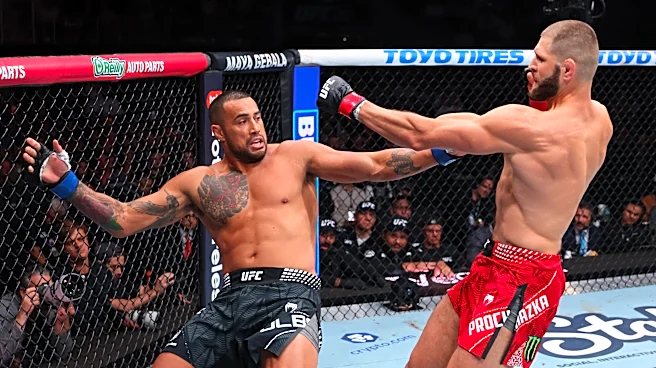
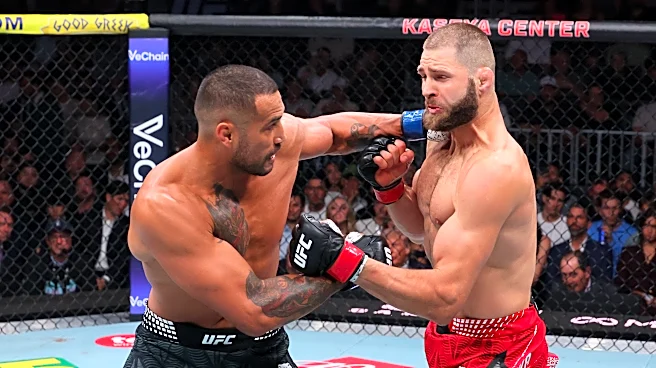
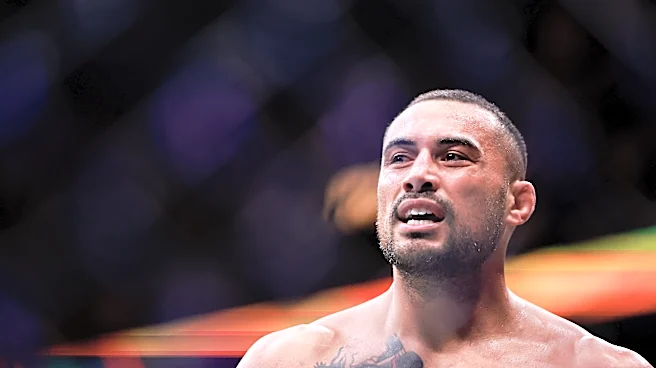
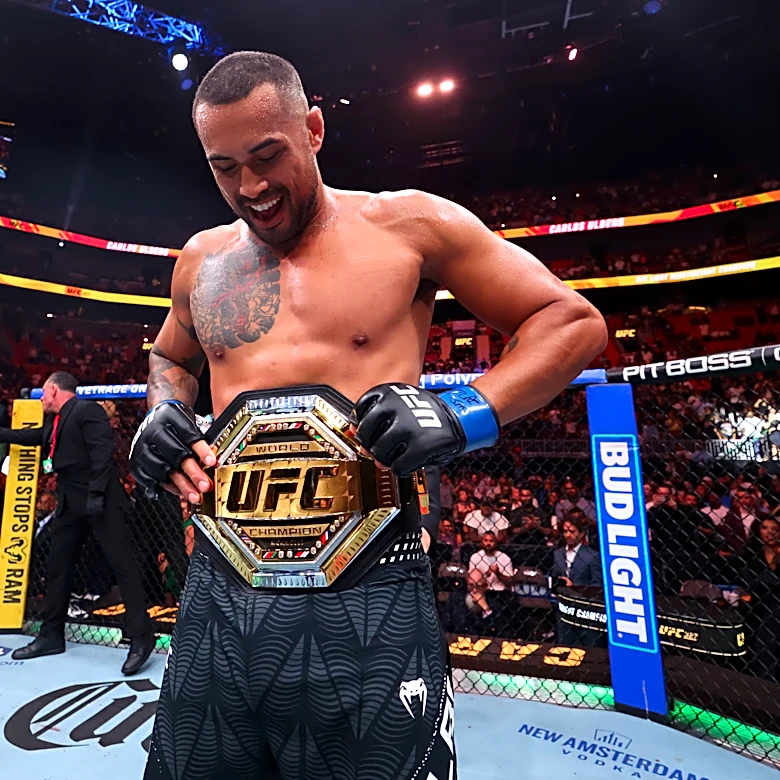
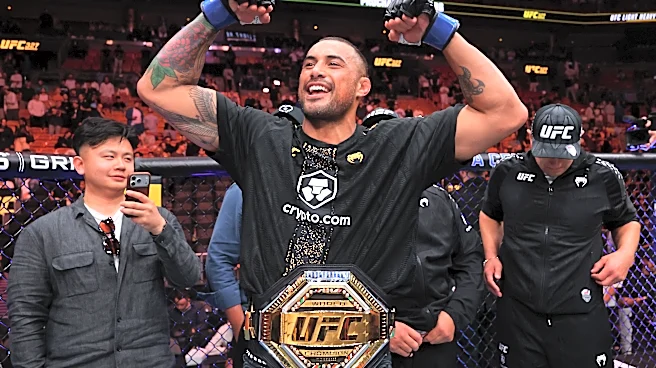
Carlos Ulberg, the newly crowned UFC light heavyweight champion, has undergone surgery for a torn ACL in his right leg. The injury occurred during his title fight against Jiří Procházka at UFC 327, held in Miami. Despite the injury, Ulberg managed to secure
a victory with a knockout in the first round. The surgery took place in Las Vegas, and Ulberg's manager confirmed the ACL tear. The UFC has not yet announced the future of the light heavyweight belt during Ulberg's recovery period. This division has faced several title vacancies due to injuries, with previous champions Procházka and Jamahal Hill vacating their titles in recent years.
Why It's Important?
Ulberg's injury and subsequent surgery are significant as they add to the ongoing challenges within the UFC light heavyweight division, which has seen multiple title vacancies due to injuries. The uncertainty surrounding the championship belt could impact the division's competitive landscape and the scheduling of future fights. Ulberg's recovery will be closely watched by fans and competitors alike, as it may influence the timing of potential rematches or new title fights. The situation highlights the physical demands and risks associated with professional fighting, affecting athletes' careers and the sport's dynamics.
What's Next?
The UFC has yet to decide on the status of the light heavyweight belt during Ulberg's recovery. Jiří Procházka, who lost to Ulberg, has already expressed interest in an immediate rematch. Other contenders in the division, such as Magomed Ankalaev, Jan Blachowicz, and Khalil Rountree Jr., may also vie for the title, depending on Ulberg's recovery timeline. The UFC's decision will be crucial in shaping the division's future and maintaining competitive balance.
Beyond the Headlines
Ulberg's injury underscores the intense physical toll of mixed martial arts, raising questions about athlete safety and long-term health. The frequent title vacancies in the light heavyweight division may prompt discussions on improving injury prevention and management strategies within the sport. Additionally, the situation could influence contractual negotiations and fighter rankings, as athletes and promoters navigate the uncertainties of championship availability.