




What's Happening?
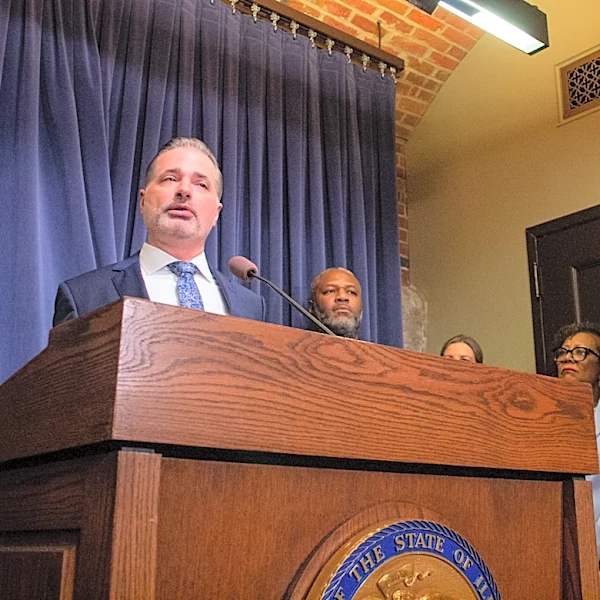
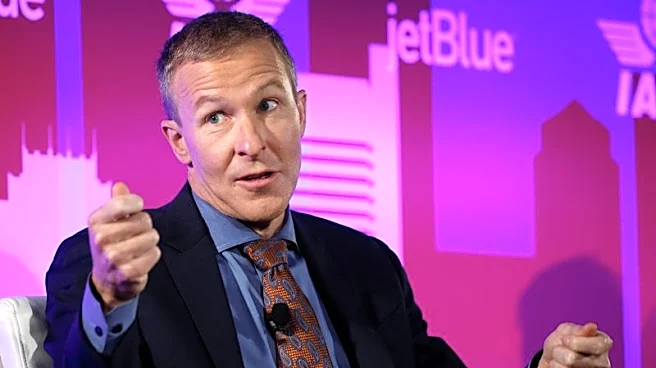
U.S. Representative Ritchie Torres has called on the CEOs of major U.S. airlines, including Delta Air Lines, United Airlines, JetBlue Airways, and Southwest Airlines, to reduce airfares if jet fuel prices decrease. This request follows a significant increase
in fuel costs, which have led airlines to raise surcharges, baggage fees, and ticket prices. The average price of jet fuel has surged to $4.88 per gallon in major U.S. cities, nearly doubling since the U.S. and Israel's military actions in Iran. Delta Air Lines has reported a $2 billion impact from fuel costs this quarter and plans to reduce its capacity, a move that other airlines may also consider.
Why It's Important?
The call for fare reductions highlights the tension between airline pricing strategies and consumer expectations. As fuel is the second-largest expense for airlines after labor, fluctuations in fuel prices significantly impact operational costs and pricing strategies. If airlines do not adjust fares in response to declining fuel costs, they may face public and political pressure. This situation underscores the broader economic challenges airlines face, balancing profitability with consumer affordability, especially in a volatile geopolitical climate affecting fuel prices.
What's Next?
Airlines are expected to address these issues in upcoming financial reports. The industry may see further capacity adjustments as carriers respond to fuel price volatility. Stakeholders, including consumers and policymakers, will likely monitor airlines' pricing strategies closely, potentially influencing future regulatory actions or consumer advocacy efforts.