

What's Happening?
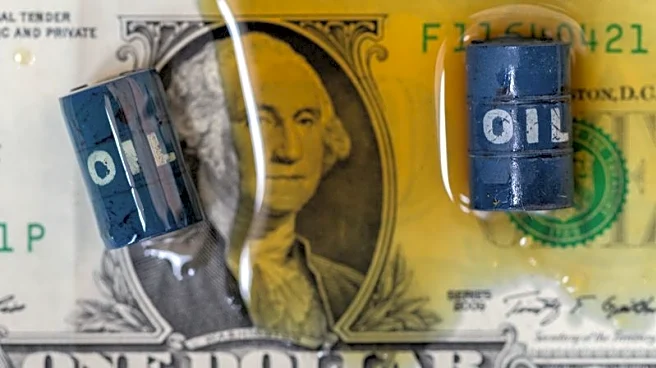
Veteran strategist Ed Yardeni has increased the probability of a U.S. stock market meltdown to 35%, up from a previous estimate of 20%. This adjustment comes as oil prices have surged past $100 per barrel, driven by escalating geopolitical tensions involving
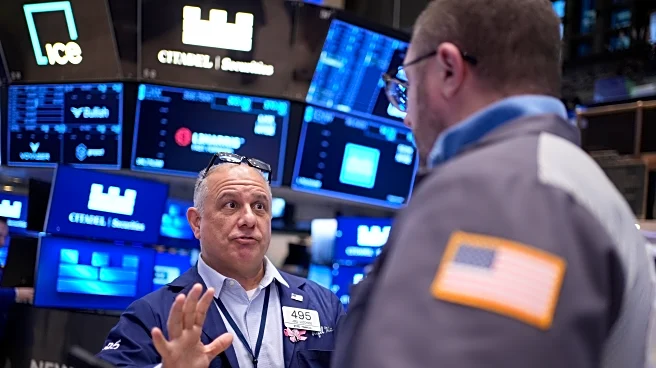
Iran and Saudi Arabia. The dollar has also posted its steepest weekly gain in a year, adding to market volatility. Bitcoin, despite its reputation as a hedge, has not been immune to these market dynamics, trading at $67,378, which is relatively stable compared to other assets. The S&P 500 futures have fallen more than 2% in Asian trading, and the VIX, a measure of market volatility, has surged to its highest level since April's tariff turmoil.
Why It's Important?
The increased likelihood of a market meltdown has significant implications for investors and the broader U.S. economy. A sustained oil price shock could lead to higher inflation and rising unemployment, complicating the Federal Reserve's dual mandate. In such conditions, risk assets, including equities and cryptocurrencies like Bitcoin, tend to suffer as investors seek safer havens such as cash, Treasuries, or the dollar. The U.S. market's relative resilience, partly due to energy self-sufficiency, may be tested if these conditions persist. The situation underscores the interconnectedness of global markets and the potential for geopolitical events to impact domestic economic stability.
What's Next?
If the oil shock continues, the Federal Reserve may face increased pressure to address rising inflation without stifling economic growth. Investors will likely monitor geopolitical developments closely, as further escalation could exacerbate market volatility. The response of major stakeholders, including government policymakers and financial institutions, will be crucial in navigating these challenges. Additionally, the performance of cryptocurrencies like Bitcoin will be watched as a barometer of investor sentiment in risk-off environments.