



What's Happening?
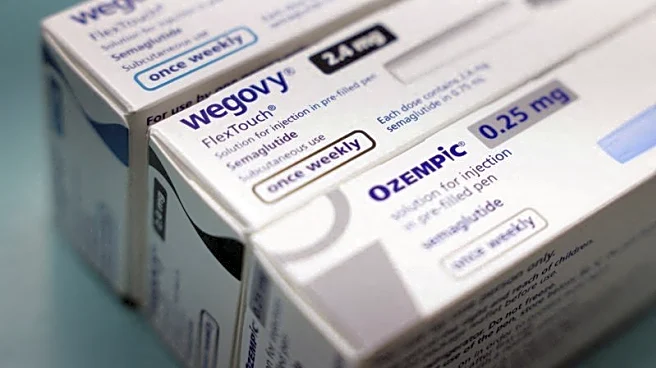
Amazon Pharmacy has announced the expansion of its same-day delivery service for Eli Lilly's Zepbound KwikPen, a weight management medication, to 4,500 cities and towns across the United States by the end of 2026. The KwikPen is a multi-dose device that
simplifies the patient experience by delivering a full month of medication in a single pen, reducing medical waste. Amazon is offering this medication at a starting price of $299 per month for the 2.5 mg starter dose, bypassing traditional Pharmacy Benefit Managers (PBMs) and providing transparent, upfront self-pay pricing. The service is integrated with Amazon One Medical to offer personalized clinical evaluations and ongoing care management. Amazon's supply chain capabilities enable the same-day delivery service, which is currently available in nearly 3,000 locations.
Why It's Important?
This expansion by Amazon Pharmacy represents a significant shift in the pharmaceutical distribution landscape, challenging traditional pharmacy models and PBMs. By offering transparent pricing and leveraging its extensive logistics network, Amazon is making weight management treatments more accessible and affordable for consumers. This move could disrupt the existing pharmacy market, potentially leading to lower prices and increased competition. Patients who previously faced high out-of-pocket costs for GLP-1 medications may benefit from Amazon's pricing strategy, which also includes automated coupon applications that have reportedly saved customers over $200 million. The integration with Amazon One Medical further enhances the service by providing comprehensive care management.
What's Next?
As Amazon continues to expand its delivery footprint, other pharmaceutical retailers may need to adapt their business models to remain competitive. The success of Amazon's strategy could prompt further innovations in medication delivery and pricing transparency across the industry. Additionally, the expansion of same-day delivery services may lead to increased consumer expectations for convenience and speed in receiving medications. Stakeholders, including healthcare providers and insurers, may need to reassess their partnerships and pricing structures in response to Amazon's growing influence in the pharmaceutical sector.