



What's Happening?
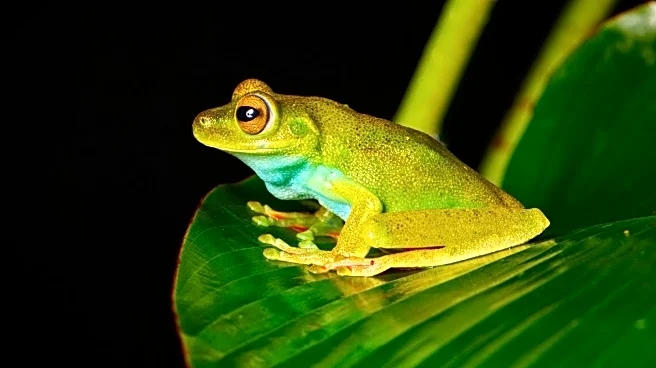
Efforts to reintroduce the Panamanian golden frog into the wild are facing significant challenges due to the persistent threat of chytridiomycosis, a deadly fungal disease. Since 2009, the species has been absent from its natural habitat, prompting conservationists
to establish assurance colonies. Recent trials involving the release of captive-bred frogs have shown high mortality rates, with about 70% of the frogs dying from the disease. Despite these setbacks, some frogs have survived, offering hope for future reintroduction efforts.
Why It's Important?
The struggle to reintroduce the Panamanian golden frog highlights the complexities of wildlife conservation in the face of persistent environmental threats. The high mortality rates in reintroduction trials underscore the challenges posed by chytridiomycosis, which continues to threaten amphibian populations globally. Successful reintroduction could serve as a model for similar conservation efforts, emphasizing the need for comprehensive strategies that address both habitat restoration and disease management. The golden frog's status as a national symbol in Panama adds cultural significance to these conservation efforts.
Beyond the Headlines
The reintroduction of the Panamanian golden frog is not just a conservation challenge but also a cultural endeavor, as the species holds symbolic value in Panama. The ongoing trials reflect broader issues in biodiversity conservation, where scientific, ethical, and cultural considerations intersect. The project serves as a reminder of the delicate balance required to restore ecosystems and the importance of addressing underlying causes of species decline, such as habitat destruction and disease.