








What's Happening?
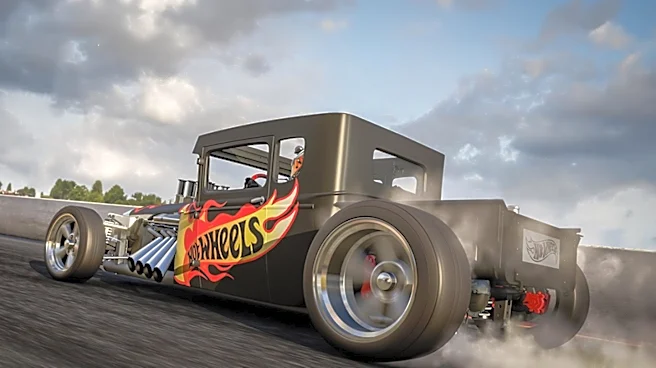
Hot rodding, a quintessentially American phenomenon, involves modifying early American cars for improved aesthetics and performance. The culture has its roots in the pre-World War II era with 'gow jobs' built on Ford Model T and Model A cars. Post-war,
the Ford Flathead V8 became iconic as returning GIs applied their mechanical skills to car modifications. Hot rod culture is characterized by a wide variety of styles, each with unique design features and hardware. Common styles include Gassers, known for their high front ends for better traction, and Lowboys, which achieve a lowered stance by channeling the body over the frame.
Why It's Important?
Hot rodding reflects the resourcefulness and individuality of American car enthusiasts, contributing to a rich automotive culture. It showcases the innovative spirit of mechanics and car builders who push the boundaries of car design and performance. This culture has influenced automotive design and engineering, inspiring new generations of car enthusiasts and professionals. Understanding hot rod styles provides insight into the evolution of car customization and its impact on the automotive industry.
Beyond the Headlines
The hot rod culture also represents a form of rebellion and self-expression, with enthusiasts often challenging conventional norms in car design. This subculture has fostered a sense of community among car enthusiasts, leading to the establishment of car clubs and events that celebrate automotive creativity. The cultural significance of hot rodding extends beyond cars, influencing music, fashion, and media, as seen in the popularity of bands like ZZ Top, whose music videos prominently featured hot rods.