
What's Happening?
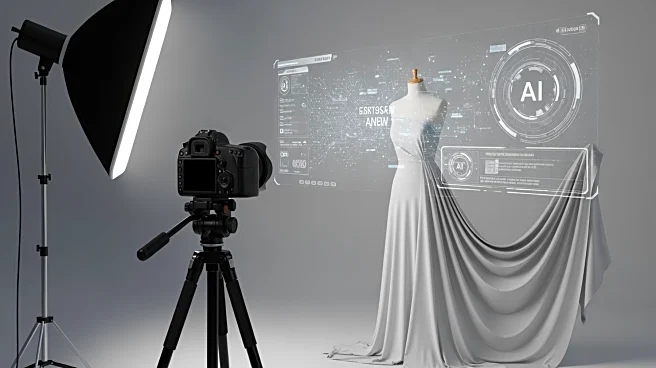
Zara, a leading fast-fashion retailer, has begun using artificial intelligence (AI) to generate images of real models in various outfits, aiming to accelerate the production process. This move is part
of a broader industry trend that could significantly affect traditional fashion photography. Zara's approach follows similar initiatives by competitors like H&M and Zalando, who have also integrated AI to enhance their creative processes. According to a spokesperson for Inditex, Zara's parent company, AI is used to complement existing processes rather than replace human roles. The company collaborates with models to ensure mutual agreement on AI usage and compensates them according to industry standards. This development was initially reported by CityAM, highlighting that models are paid equivalently to traditional photo shoots, even when AI is used to edit their images.
Why It's Important?
The integration of AI in fashion imagery represents a significant shift in the industry, potentially reducing the demand for traditional fashion photography. This technological advancement could streamline production processes, allowing brands to quickly adapt to fashion trends and consumer demands. However, it also poses challenges for photographers, models, and production teams, who may face reduced opportunities as AI becomes more prevalent. The use of AI in fashion raises questions about the future of creative roles and the balance between technology and human artistry. While companies like Zara emphasize collaboration with human models, the broader impact on employment and industry practices remains a concern.
What's Next?
As AI continues to be adopted in the fashion industry, stakeholders will likely monitor its effects on employment and creative processes. Fashion brands may explore further AI applications, such as virtual try-ons and personalized shopping experiences, to enhance consumer engagement. Industry professionals, including photographers and models, may need to adapt to new roles that incorporate AI technology. Additionally, discussions around ethical considerations and the protection of creative rights in the age of AI are expected to intensify, influencing future industry standards and regulations.
Beyond the Headlines
The use of AI in fashion imagery highlights broader ethical and cultural implications, such as the potential for AI to redefine creativity and originality in the fashion industry. As AI-generated content becomes more common, questions about authenticity and the value of human craftsmanship may arise. The industry may also face scrutiny over data privacy and the use of personal likenesses in AI-generated images. These developments could lead to new legal frameworks and industry guidelines to address the challenges posed by AI in creative fields.