





What's Happening?
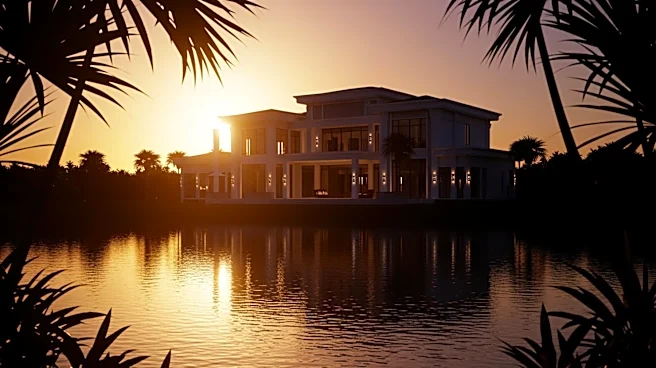
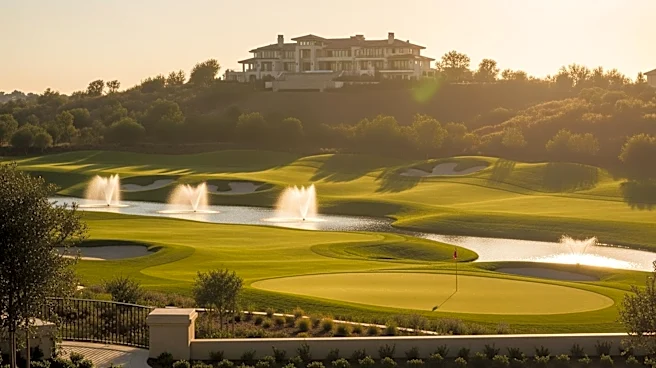
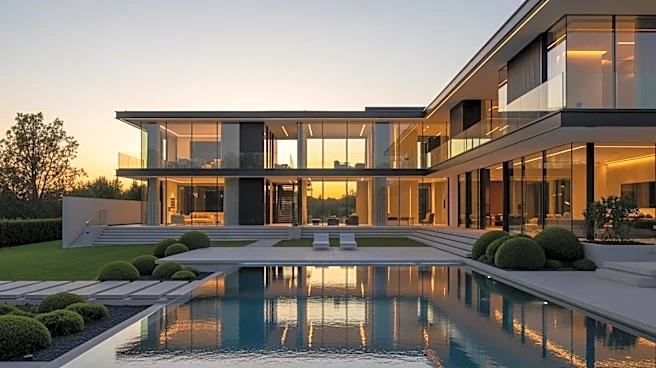
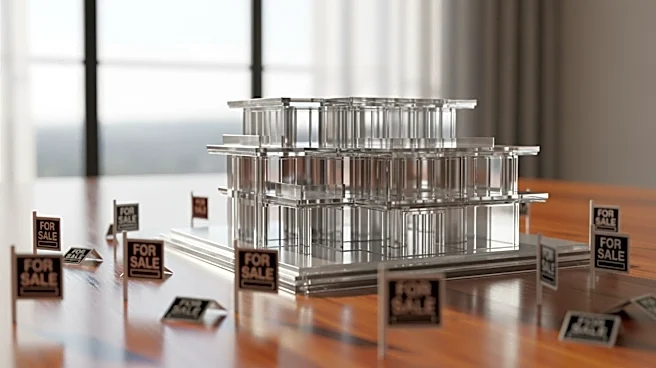
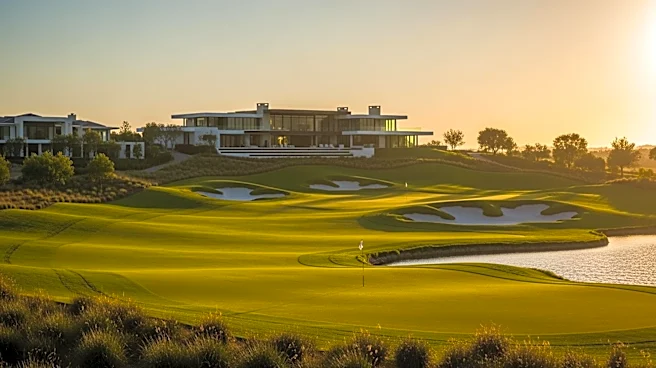
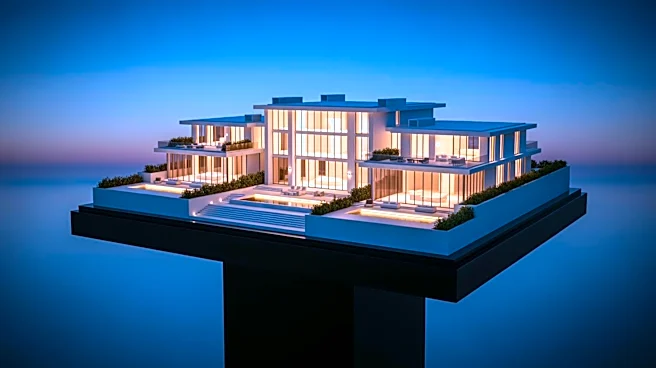
The ultra-luxury housing market in the United States is experiencing a surge in high-priced listings, with properties being marketed at unprecedented prices. Notable examples include a $400 million Bel-Air megamansion and a $300 million estate in Aspen.
Despite these ambitious asking prices, actual sales remain significantly lower, with few properties closing above $250 million. This trend highlights the gap between sellers' expectations and the market's willingness to meet those prices. The Bel-Air property, known as the 'Crown Jewel of Los Angeles,' is the most expensive home ever publicly marketed in the U.S., but comparable sales suggest its price is highly aspirational. Similarly, the Little Lake Lodge in Aspen remains unsold despite its high listing price.
Why It's Important?
The disparity between listing prices and actual sales in the ultra-luxury housing market underscores the challenges of selling high-end properties at record prices. This situation reflects broader economic conditions and the limits of demand among the world's wealthiest buyers. The trend also highlights the importance of realistic pricing strategies and the potential risks of overpricing in a competitive market. For real estate professionals and investors, understanding these dynamics is crucial for navigating the ultra-luxury segment and making informed decisions.
What's Next?
As the ultra-luxury housing market continues to evolve, sellers may need to adjust their pricing strategies to align with market realities. This could involve more realistic valuations and a focus on the unique attributes that justify high prices. Additionally, the market may see increased interest in properties that offer not only luxury but also exclusivity and unique features. Real estate professionals will need to stay attuned to buyer preferences and market trends to effectively market and sell high-end properties.