



What's Happening?
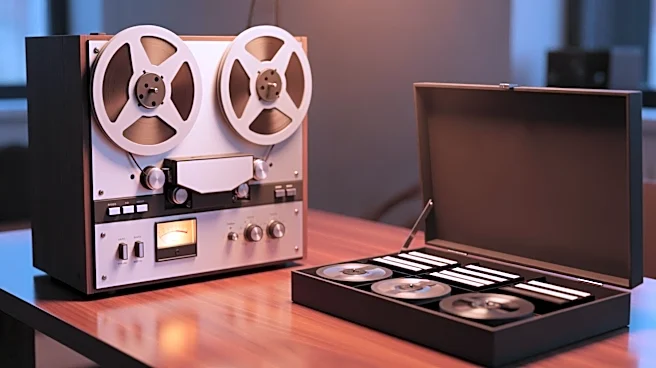
Aadam Jacobs, a Chicago-based music enthusiast, has been recording concerts since the 1980s, accumulating over 10,000 tapes. Recognizing the risk of degradation, Jacobs has partnered with the Internet Archive, a nonprofit digital library, to digitize
these recordings. As of now, approximately 2,500 tapes have been uploaded to the Internet Archive, featuring rare performances from artists like Nirvana, Sonic Youth, R.E.M., and Phish. Volunteers, including audio engineer Brian Emerick, are involved in the process, using cassette decks to convert tapes into digital files, which are then cleaned, organized, and labeled. This initiative preserves musical history and makes it accessible to the public.
Why It's Important?
The digitization of these recordings is significant for music historians, fans, and researchers, as it provides access to rare and previously unavailable performances. This project not only preserves cultural heritage but also democratizes access to music history, allowing a broader audience to experience influential performances. The initiative highlights the importance of digital preservation in maintaining cultural artifacts, ensuring that they remain available for future generations. It also underscores the role of nonprofit organizations like the Internet Archive in safeguarding and disseminating cultural content.
What's Next?
The ongoing digitization project will continue as volunteers work to convert and upload more tapes from Jacobs' collection. As more recordings become available, music enthusiasts and researchers can expect to discover additional rare performances and insights into the evolution of various music genres. The project may inspire similar initiatives to preserve other forms of cultural content, encouraging collaboration between collectors and digital libraries.
Beyond the Headlines
This project raises questions about the ethical considerations of preserving and sharing recordings that may not have been intended for public release. It also highlights the technological challenges involved in converting analog media to digital formats, requiring specialized equipment and expertise. The initiative may influence how other collectors approach the preservation of their archives, potentially leading to more collaborative efforts with digital libraries.