



What's Happening?
Bayer has launched a regenerative agriculture project aimed at transforming the Italian winemaking industry. The initiative, titled 'Regenerate to Grow,' was presented at an event in northern Italy and seeks to balance innovation with environmental protection
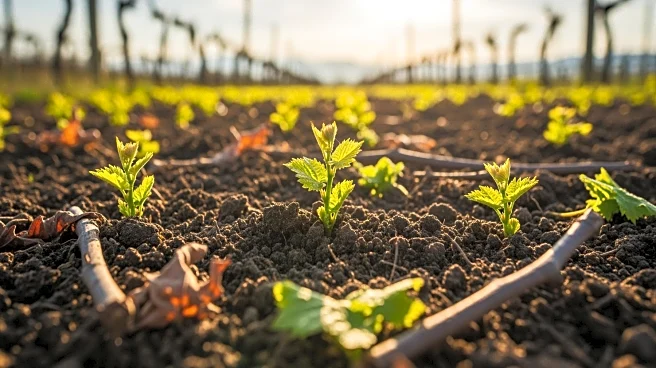
and socioeconomic well-being. The project involves several partner wineries in regions such as Piedmont, Tuscany, and Veneto, and focuses on adapting to climate change, evolving plant diseases, and regulatory pressures. The program integrates advanced agronomic techniques, innovative crop protection products, and digital decision support systems. It also emphasizes biodiversity monitoring and community engagement. Key practices include permanent grass cover between vines, reduced tillage, and sustainable crop protection methods. The project aims to achieve measurable results such as higher yields, improved soil health, and better adaptation to climate change.
Why It's Important?
This initiative is significant as it addresses the pressing challenges faced by the winemaking industry due to climate change and regulatory demands. By promoting regenerative agriculture, Bayer aims to enhance the sustainability and competitiveness of the wine supply chain. The project supports natural resource protection and aims to restore biodiversity, which is crucial for maintaining the ecological balance and unique identity of wines. The adoption of these practices could lead to improved economic efficiency and productivity for wineries, benefiting both the environment and local communities. As the wine industry is a major economic sector in Italy, these efforts could have a substantial impact on the country's economy and its global wine market position.
What's Next?
Bayer plans to expand the 'Regenerate to Grow' project to more wineries by 2026, focusing on managing major vine threats using regenerative principles. The company intends to increase training activities and develop strategies tied to specific performance indicators. This expansion aims to make regenerative viticulture an accessible and replicable model on a larger scale. The ongoing collaboration with technology companies like 3Bee for biodiversity monitoring will continue to guide site-specific Biodiversity Action Plans. These efforts are expected to further enhance the ecological conditions of participating vineyards and support the long-term sustainability of the winemaking industry.