

What's Happening?
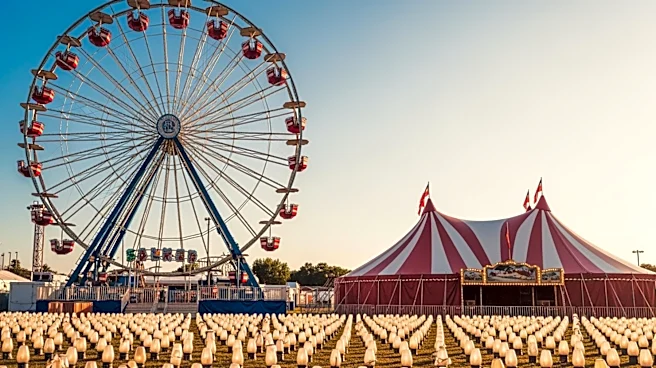
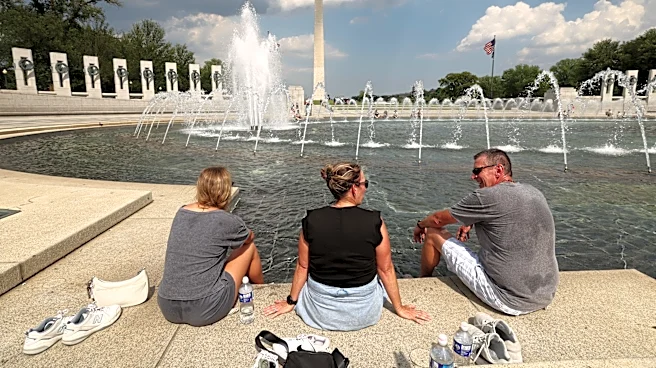
Morris Day, the lead singer of the band The Time, has publicly denied rumors that he and his band are scheduled to perform at the 'Freedom 250' concert on the National Mall in Washington, D.C. The event, which is part of a 16-day patriotic fair, has been
criticized for its perceived connections to the Trump administration. Despite being advertised as a headliner for the June 27 show, Day took to social media to clarify that he will not be performing at the 'Great American State Fair.' The announcement came after fans expressed disapproval, associating participation in the event with support for President Trump. Other artists announced for the festival include Vanilla Ice, Flo Rida, and Martina McBride. The organizers claim the event is nonpartisan, but this has not quelled the controversy surrounding it.
Why It's Important?
The denial by Morris Day highlights the sensitivity and potential backlash artists face when associated with politically charged events. The 'Freedom 250' festival, despite its claims of nonpartisanship, is perceived by many as aligned with President Trump's influence on national celebrations. This situation underscores the challenges artists encounter in maintaining their public image and fan base, especially when political affiliations are involved. The controversy also reflects broader societal divisions and the impact of political associations on cultural events. For the organizers, the backlash could affect attendance and the overall success of the festival, as public perception plays a crucial role in the entertainment industry.
What's Next?
As the festival approaches, it remains to be seen how other artists will respond to the controversy. The organizers may need to address the public's concerns more directly to mitigate potential fallout. Additionally, the event's success will depend on whether it can attract audiences despite the political undertones. Artists involved may face pressure to clarify their participation or withdraw, depending on fan reactions. The situation could also prompt discussions about the role of politics in entertainment and how artists navigate these complex dynamics.