
What's Happening?
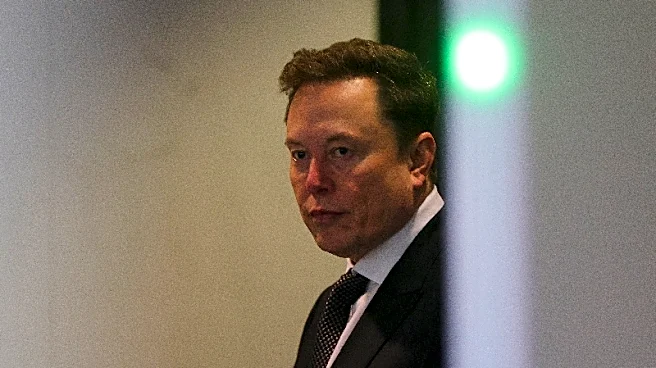
A California jury has ruled against Elon Musk in his lawsuit against OpenAI founders Sam Altman and Greg Brockman, as well as Microsoft. Musk accused OpenAI of misusing its nonprofit status to transition
into a profit-oriented structure. The jury found that Musk's claims were filed beyond the statute of limitations, leading to the dismissal of the case. The ruling eliminates potential risks for OpenAI as it prepares for an IPO. Musk's attorney announced plans to appeal the decision, marking the case as one of Silicon Valley's most high-profile legal battles.
Why It's Important?
The verdict is crucial for OpenAI, as it clears a significant legal obstacle ahead of its anticipated IPO. The case highlights the challenges tech companies face when transitioning from nonprofit to for-profit models, especially in attracting investments while maintaining original missions. The decision also underscores the importance of timely legal action in corporate disputes. For Musk, the ruling represents a setback in his efforts to challenge OpenAI's strategic direction and could impact his own AI ventures.
What's Next?
Musk's legal team plans to appeal the decision, which could prolong the legal proceedings and potentially impact OpenAI's IPO timeline. The appeal process may also bring further scrutiny to OpenAI's corporate practices and its relationship with major investors like Microsoft. The case could influence future legal strategies for tech companies navigating similar transitions, emphasizing the need for clear governance and compliance with legal standards.