







What's Happening?
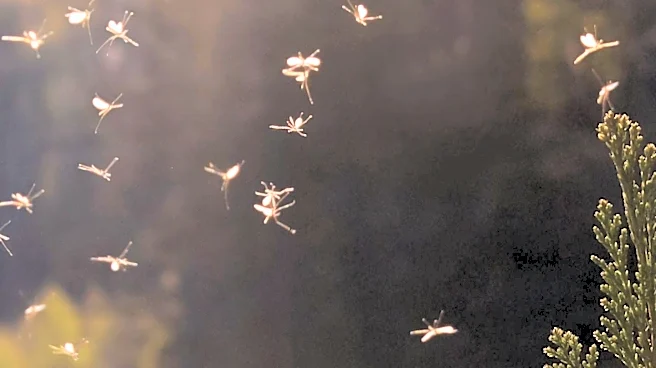
As spring arrives, many homeowners are facing an increase in pest activity, including moths, which can be as troublesome as fruit flies and mosquitoes. According to Ian Williams, technical services manager at Orkin, moths often enter homes through small
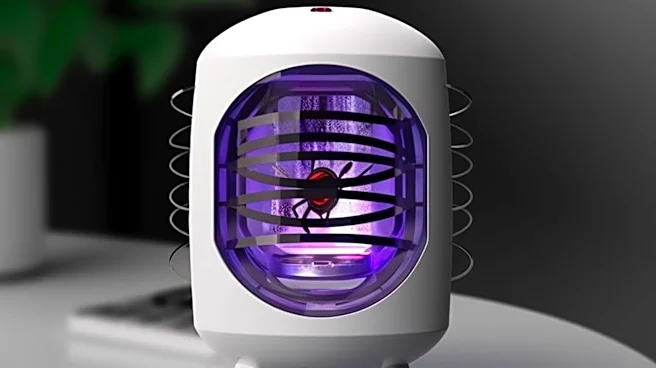
openings and are attracted to light sources. They can also be brought inside unintentionally, particularly pantry moths that infest dry goods. Moths are known to lay eggs in dark, undisturbed areas such as closets and attics, where they can damage clothing and other natural fabrics. To combat this, experts recommend using a variety of products, including moth traps, repellents, and insecticides, to manage and prevent infestations.
Why It's Important?
The presence of moths in homes can lead to significant damage to clothing, fabrics, and stored food items, resulting in financial losses for homeowners. Effective pest control measures are essential to prevent these damages and maintain a healthy living environment. The use of moth traps and repellents not only helps in managing current infestations but also prevents future occurrences. This is particularly important as warmer weather increases the likelihood of pest activity. By understanding the behavior and preferences of different moth species, homeowners can implement targeted strategies to protect their homes and belongings.
What's Next?
Homeowners are encouraged to take proactive steps to seal potential entry points for moths, such as cracks and crevices around windows and doors. Regular cleaning and inspection of storage areas can help identify and eliminate moth infestations early. Additionally, using airtight containers for dry goods can prevent pantry moths from accessing food sources. As pest control technology advances, new products and methods may become available, offering more effective solutions for managing moth populations in residential settings.