






What's Happening?
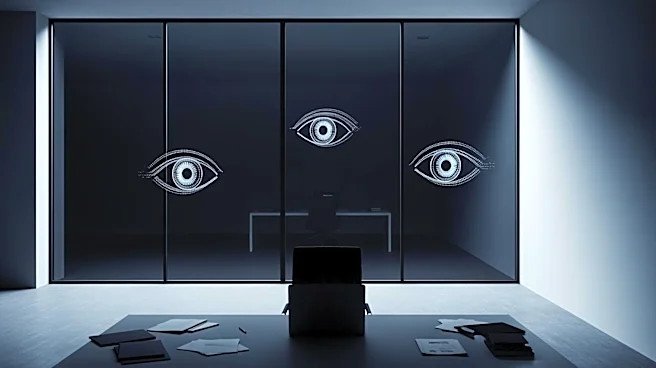
MindsEye Studio, a developer under Build a Rocket Boy, is facing legal action initiated by the Game Workers branch of the Independent Workers' Union of Great Britain. The union alleges that the studio installed Teramind surveillance software on employees'
PCs without their knowledge, which reportedly recorded individuals in their homes. This action is claimed to violate data protection laws and infringe on the workforce's dignity. The software, which tracked keystrokes, recorded screen activity, and captured microphone audio, was removed in March after employees filed a grievance. However, the company has not disclosed what data was collected or the reasons for the software's installation.
Why It's Important?
This legal action highlights significant concerns about privacy and data protection within the workplace, especially in the tech and gaming industries. The case underscores the tension between employee privacy rights and employer monitoring practices. If the allegations are proven, it could lead to stricter regulations and policies regarding employee surveillance, impacting how companies monitor productivity and security. The outcome of this case could set a precedent for similar disputes, influencing corporate practices and employee rights in the U.S. and beyond.
What's Next?
The legal proceedings will likely focus on the extent of data collected and the justification for its collection. Build a Rocket Boy may face pressure to provide transparency and possibly face penalties if found in violation of data protection laws. The case could prompt other companies to review their surveillance practices to ensure compliance with privacy laws. Additionally, there may be increased advocacy for stronger employee privacy protections, potentially leading to legislative changes.
Beyond the Headlines
The controversy surrounding MindsEye Studio also reflects broader issues within the gaming industry, such as management practices and employee treatment. The allegations of mismanagement and lack of direction at the studio, coupled with previous layoffs, suggest systemic issues that could affect employee morale and the quality of game development. This case may encourage more workers to unionize and demand better working conditions, potentially leading to a shift in industry standards.