




What's Happening?
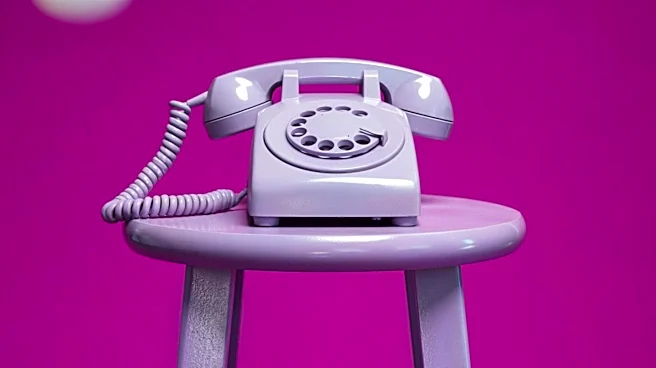
In Altadena, a unique installation known as the Wind Phone has been created by Seamus Bozeman to help individuals process grief and loss. The Wind Phone allows people to pick up a receiver and speak to loved ones who have passed away. Bozeman built the Wind Phone as a personal
project to communicate with his father, who died from cancer shortly before the Eaton Fire. The installation has since become a community resource, offering a space for reflection and emotional expression. The concept of the Wind Phone is inspired by a similar installation in Japan, which has been used by thousands to cope with the aftermath of natural disasters.
Why It's Important?
The Wind Phone serves as a poignant reminder of the importance of providing spaces for emotional healing and community support. In a society where discussions about grief and loss are often stigmatized, the Wind Phone offers a non-traditional and accessible way for individuals to express their emotions and find solace. This initiative highlights the potential for creative and empathetic approaches to mental health and community well-being. It also underscores the value of public installations that foster connection and understanding among community members.
What's Next?
The success of the Wind Phone in Altadena may inspire similar projects in other communities, encouraging the creation of spaces that facilitate emotional healing and support. Mental health professionals and community leaders might explore partnerships to integrate such installations into broader mental health initiatives. Additionally, the concept could be expanded to include digital or virtual versions, making it accessible to a wider audience. As awareness of the Wind Phone grows, it may also prompt discussions about the role of public art and installations in addressing mental health challenges.
Beyond the Headlines
The Wind Phone's impact extends beyond individual healing, as it fosters a sense of community and shared experience. It challenges traditional notions of how grief should be processed and encourages open dialogue about loss. The installation also raises questions about the intersection of art, technology, and mental health, and how these elements can be combined to create meaningful experiences. As society continues to grapple with the effects of loss and trauma, innovative solutions like the Wind Phone offer hope and inspiration for new ways to support those in need.