







What's Happening?
Ameresco, Inc., a prominent energy infrastructure solutions provider, has announced that its Kūpono Project in Hawai'i has been recognized as a winner in the 2026 Environment+Energy Leader Awards. This project, a public-private partnership with the U.S.
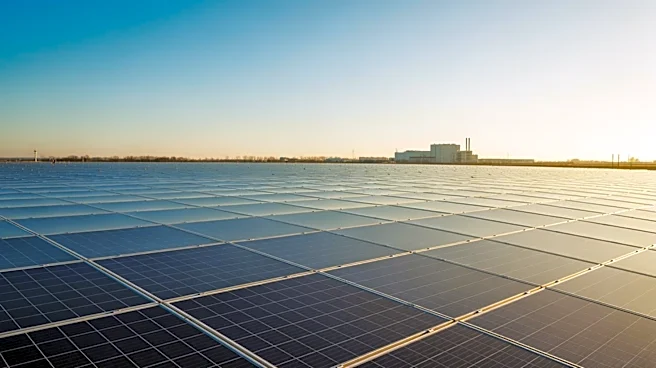
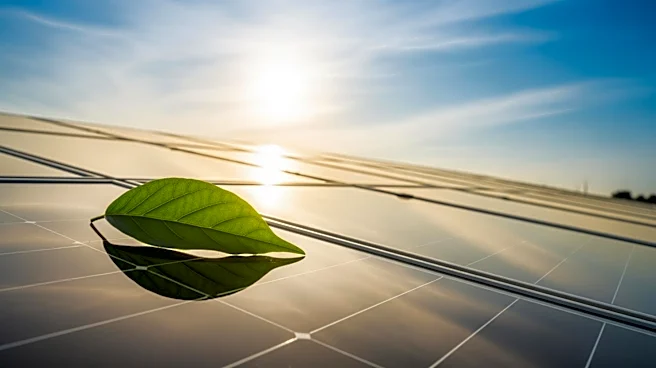
Navy and Hawaiian Electric, is celebrated for its significant contributions to renewable energy and environmental sustainability on O'ahu. The Kūpono Project features a 42 MW solar array paired with a 42 MW/168 MWh lithium-ion battery energy storage system, providing reliable power to approximately 10,000 homes. It is structured as a 20-year partnership aimed at reducing over 50,000 tons of CO2 annually, equivalent to removing 12,000 cars from the road each year. This initiative supports Hawaii's statutory goal of achieving 100% renewable energy generation and carbon neutrality by 2045. The project also emphasizes community benefits, including local labor and materials, philanthropic investments in STEM education, and youth sports.
Why It's Important?
The recognition of the Kūpono Project underscores the critical role of innovative energy solutions in advancing environmental sustainability and energy resilience. By significantly reducing carbon emissions and enhancing grid reliability, the project aligns with both state and federal decarbonization targets. It demonstrates the potential of large-scale infrastructure investments to deliver not only environmental benefits but also economic and social advantages. The project supports the local economy by creating jobs and investing in community initiatives, thereby fostering a sustainable and resilient energy future for Hawai'i. This award highlights the importance of collaborative efforts between public and private sectors in achieving ambitious energy and environmental goals.
What's Next?
The success of the Kūpono Project may inspire similar initiatives across the United States, encouraging more public-private partnerships in renewable energy projects. As the project continues to operate, it will likely serve as a model for integrating renewable energy solutions with community development. Stakeholders, including government agencies and private companies, may look to replicate this model to meet their own sustainability targets. Additionally, the project's ongoing operations, such as vegetation management and community engagement, will continue to contribute to its long-term success and impact.
Beyond the Headlines
The Kūpono Project's innovative approach to land stewardship, including the relocation of bees and the use of sheep for vegetation management, highlights the project's commitment to minimizing environmental disruption. This aspect of the project reflects a broader trend in sustainable development, where ecological considerations are integrated into infrastructure planning and execution. Such practices not only enhance the project's environmental credentials but also set a precedent for future projects aiming to balance development with ecological preservation.