
What's Happening?
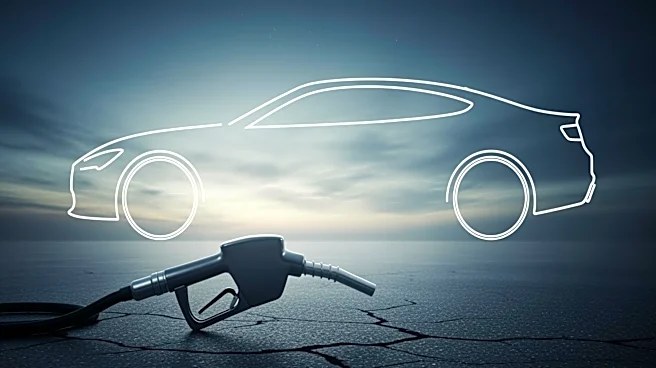
U.S. auto sales experienced a 6.7% decline in April, with a significant 16% drop in imports. This downturn comes as the market cools from a previous surge driven by tariffs in 2025. Despite the overall
decline, hybrid vehicle sales saw a notable increase, particularly for brands like Toyota, Honda, and Hyundai, as gasoline prices exceeded $4 per gallon. The average incentives offered by automakers rose to $3,141, reflecting efforts to stimulate consumer interest amid challenging market conditions.
Why It's Important?
The decline in U.S. auto sales highlights the ongoing challenges faced by the automotive industry, including economic pressures and shifting consumer preferences. The rise in hybrid sales suggests a growing consumer interest in fuel-efficient vehicles, driven by high gasoline prices. This trend could accelerate the industry's transition towards more sustainable vehicle options. The increased incentives indicate that automakers are willing to absorb some costs to maintain sales volumes, which could impact their profitability. The situation underscores the need for the industry to adapt to changing market dynamics and consumer demands.
What's Next?
Automakers may continue to adjust their strategies to align with consumer preferences for more fuel-efficient and environmentally friendly vehicles. This could involve increased investment in hybrid and electric vehicle technologies. Additionally, the industry might advocate for policy measures to stabilize fuel prices and support the transition to sustainable transportation. As the market continues to evolve, stakeholders will likely focus on innovation and efficiency to remain competitive.