
What's Happening?
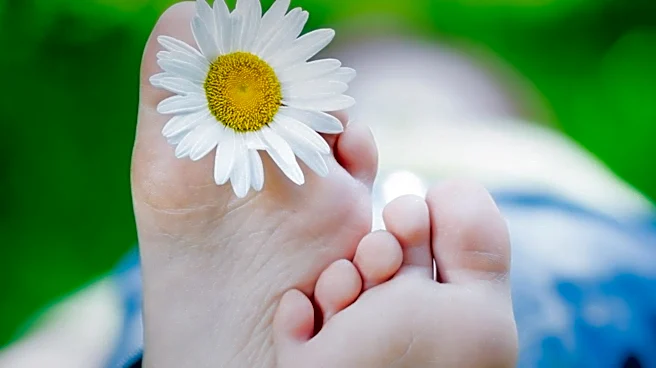
Barefoot hiking is gaining traction as a unique outdoor activity that offers both a primal connection to nature and potential health benefits. Gen Blades, an outdoor education lecturer, experienced this
firsthand while hiking South Korea’s Namsan Dulle-gil trail, which features a section designed for barefoot walking. This practice is common in South Korea, where over 150 parks in Seoul alone have designated barefoot walking areas. The appeal of barefoot hiking lies in its ability to slow down the pace of life and heighten sensory awareness, allowing hikers to notice small details in their surroundings. However, the practice is not without its challenges. Podiatrist Dr. George Murley notes that while barefoot walking can improve balance and coordination, it also requires conditioning to avoid injuries. The practice is person-specific, and both overly cushioned footwear and unconditioned barefoot walking can lead to foot problems.
Why It's Important?
The growing interest in barefoot hiking reflects a broader societal trend towards activities that promote mindfulness and a deeper connection with nature. This trend is significant as it aligns with increasing awareness of environmental issues and the desire for sustainable living practices. Barefoot hiking encourages individuals to engage with their environment in a more intimate way, potentially fostering greater environmental stewardship. Additionally, the health benefits associated with barefoot walking, such as improved balance and reduced foot problems, highlight the importance of re-evaluating modern footwear practices. As more people explore this activity, it could influence outdoor recreation trends and footwear industry standards, promoting designs that support natural foot movement.
What's Next?
As barefoot hiking continues to gain popularity, it is likely that more trails and parks will incorporate designated barefoot walking areas, similar to those in South Korea. This could lead to increased interest from outdoor enthusiasts and health-conscious individuals seeking new ways to connect with nature. Additionally, the footwear industry may respond by developing products that mimic the benefits of barefoot walking while providing protection from potential hazards. Educational programs and workshops on safe barefoot hiking practices could also emerge, helping individuals transition to this activity safely. The trend may also inspire further research into the health and environmental benefits of barefoot walking, potentially influencing public health recommendations and environmental policies.
Beyond the Headlines
The rise of barefoot hiking also raises questions about the cultural and psychological aspects of modern life. As individuals seek to reconnect with nature, this practice challenges the conventional norms of outdoor recreation and highlights the potential disconnect between humans and their natural environment. It prompts a re-examination of how urbanization and modern conveniences have shaped human experiences and interactions with the natural world. Furthermore, the practice of barefoot hiking may encourage a shift towards more sustainable and minimalist lifestyles, as individuals become more attuned to the natural world and the impact of their choices on the environment.