



What's Happening?
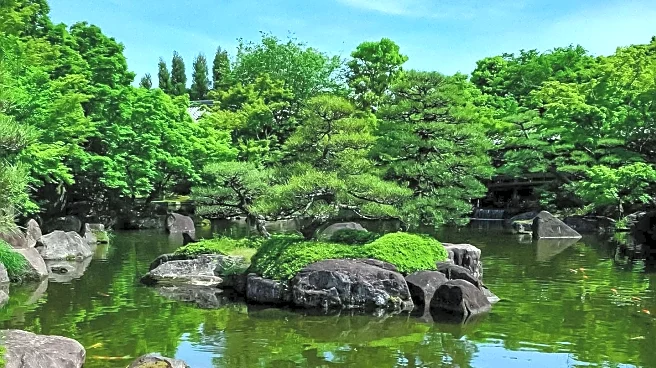
During peak cherry blossom season, Japan experienced record tourism, with 3.46 million visitors in February. Amidst the bustling crowds at popular attractions, visitors found tranquility in Japan's gardens. Hama-rikyu Gardens in Tokyo offered a serene
escape with its seawater ponds and teahouse, providing a peaceful retreat from the city's hustle. Similarly, the Inner Garden at Meiji Jingu Shrine and Ōkōchi Sansō Garden in Kyoto provided quiet refuges away from the crowded tourist spots. These gardens, with their historical significance and natural beauty, offered visitors a chance to relax and enjoy Japan's unique landscapes.
Why It's Important?
The gardens of Japan offer a unique opportunity for tourists to experience the country's cultural heritage and natural beauty away from the crowded attractions. As tourism continues to rise, these gardens provide a sustainable way to manage visitor flow and preserve the tranquility of historical sites. They highlight the importance of integrating natural spaces within urban environments, offering both locals and tourists a place to unwind. The popularity of these gardens could encourage other cities to develop similar spaces, promoting cultural appreciation and environmental conservation.