






What's Happening?
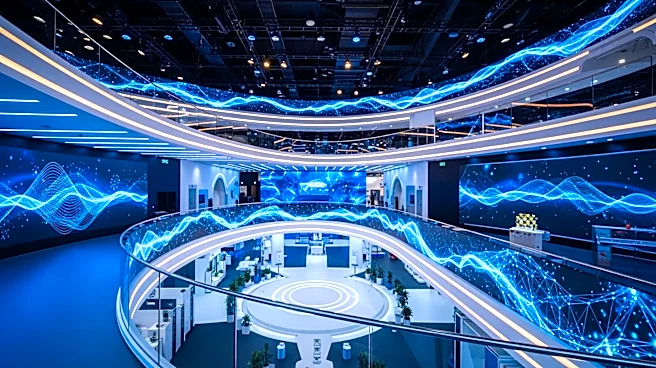
The Dida Engage China Roadshow 2026 has successfully concluded, marking a significant milestone in international hotel distribution within China. The event, held in Shanghai and Beijing, saw participation from over 80 international hotel partners and more
than 700 travel agents, effectively doubling the scale of its inaugural edition last year. This roadshow has evolved into a pivotal industry event, providing a platform for market insight and fostering collaboration between international hoteliers and China's leading travel buyers. The event featured prominent hotel brands such as Marina Bay Sands, Disneyland Paris, and Marriott, highlighting the growing importance of China as a distribution market for the global hospitality sector. The roadshow also emphasized the role of AI in reshaping hotel distribution, with knowledge partners like Tencent and Whale providing insights into AI-driven demand aggregation and real-time intent signals.
Why It's Important?
The Dida Engage China Roadshow's success underscores the increasing significance of the Chinese market in the global hospitality industry. By doubling its scale, the event highlights the growing demand for international hotel brands in China and the need for effective distribution strategies. The integration of AI-driven insights into hotel distribution is particularly noteworthy, as it offers a competitive edge in understanding and responding to market demands. This development is crucial for international hotels aiming to enhance their visibility and booking conversion in China's fragmented digital landscape. The roadshow's focus on AI and digital ecosystems reflects a broader trend in the industry towards leveraging technology to optimize distribution and marketing strategies.
What's Next?
Following the roadshow, participating hotels and travel agents are likely to implement the insights gained to refine their distribution strategies in China. The emphasis on AI-driven content and real-time demand signals suggests that hotels will increasingly focus on enhancing their digital presence and optimizing for AI recommendations. This shift may lead to more personalized and targeted marketing efforts, improving engagement with Chinese travelers. Additionally, the roadshow's success may encourage other international hotel brands to explore similar platforms for market entry and expansion in China. As the industry continues to evolve, stakeholders will need to adapt to the changing landscape and leverage technology to maintain a competitive advantage.
Beyond the Headlines
The Dida Engage China Roadshow highlights a deeper shift in the hospitality industry towards data-driven decision-making and AI integration. This trend reflects a broader movement across industries to harness technology for strategic advantage. The roadshow's focus on AI and digital ecosystems not only enhances distribution efficiency but also raises questions about data privacy and the ethical use of AI in marketing. As hotels increasingly rely on AI to understand and influence consumer behavior, they must navigate the balance between personalization and privacy. This development also underscores the importance of cultural understanding and localization in global marketing strategies, as international brands seek to resonate with Chinese consumers.