




What's Happening?
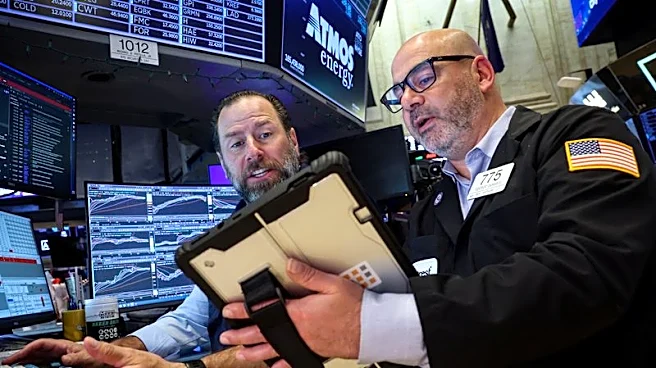
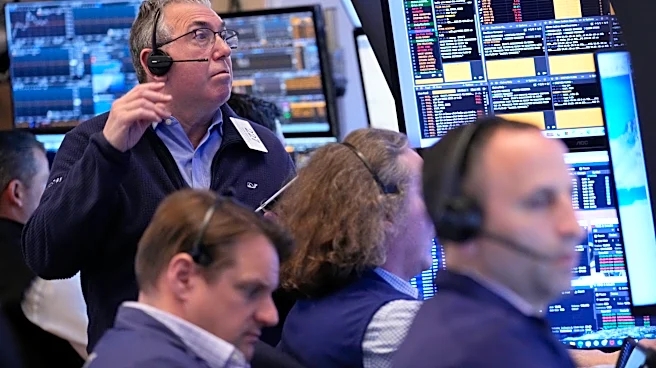
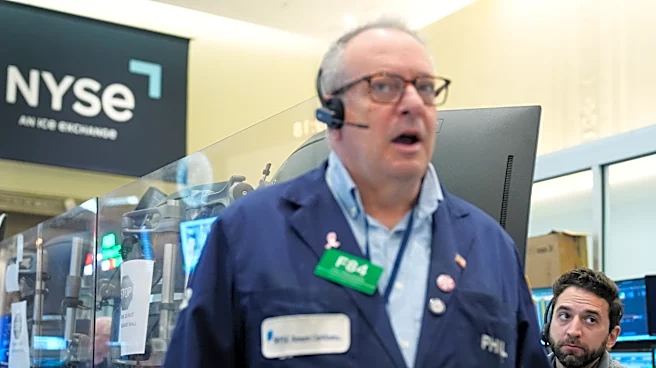
The U.S. stock markets have reached new highs following President Trump's announcement of a 10-day ceasefire agreement between Israel and Lebanon. This development is part of broader diplomatic efforts to resolve ongoing conflicts in the Middle East.
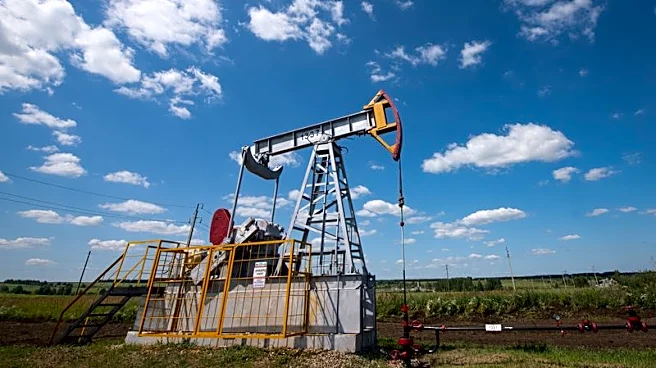
President Trump also indicated that the U.S. and Iran might engage in a second round of talks in Pakistan, signaling potential progress towards peace. Despite these positive signals, the situation remains delicate, with Brent crude prices nearing $100 and the Strait of Hormuz still closed. The S&P 500 and Nasdaq Composite have both seen significant gains, with the latter achieving its longest winning streak since 2009. However, Asian markets have shown mixed reactions, reflecting cautious optimism.
Why It's Important?
The ceasefire and potential U.S.-Iran talks are critical for stabilizing the Middle East, a region whose conflicts have significant global economic implications, particularly in energy markets. The stock market's positive response underscores investor confidence in a peaceful resolution, which could lead to more stable oil prices and reduced geopolitical risk. However, the fragility of the peace process means that any setback could quickly reverse market gains. The situation also highlights the influence of U.S. foreign policy on global markets, as President Trump's actions and statements continue to impact investor sentiment and economic forecasts.
What's Next?
The next steps involve monitoring the implementation of the ceasefire and the potential for U.S.-Iran negotiations. Stakeholders, including investors and policymakers, will be watching closely for any developments that could affect the stability of the region and, by extension, global markets. The outcome of these diplomatic efforts will likely influence future market trends and geopolitical strategies. Additionally, companies in sectors sensitive to geopolitical shifts, such as energy and technology, will need to adapt to the evolving landscape.