




What's Happening?
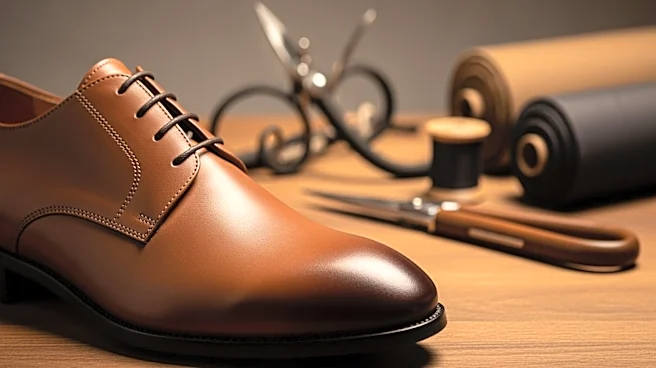
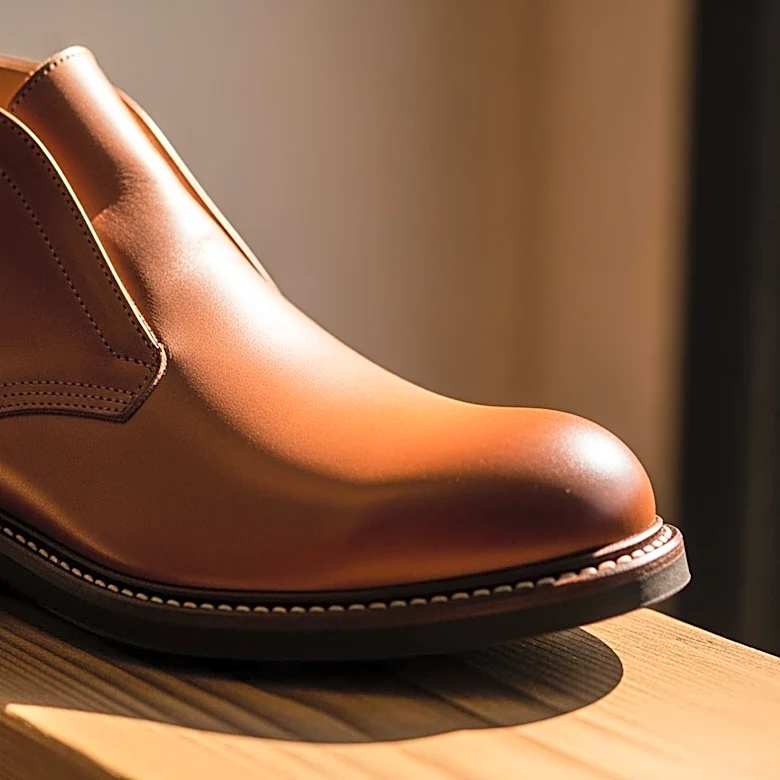
The Portuguese Footwear Association is expanding its global reach, highlighted by collaborations with renowned designers such as Willy Chavarria. The association, known as APICCAPS, has been instrumental in promoting Portuguese-made footwear, which is increasingly
popular due to its quality and innovative designs. The association's efforts include partnerships showcased at major fashion events like New York Fashion Week and Paris Fashion Week. These collaborations have featured high-profile designers and have helped Portuguese footwear gain recognition for its blend of traditional craftsmanship and modern technology.
Why It's Important?
The rise of Portuguese-made footwear signifies a shift in the global fashion industry, where quality and sustainability are becoming more valued. This trend benefits the Portuguese economy by increasing exports and enhancing the country's reputation in the fashion sector. The focus on sustainable practices and innovative designs aligns with global consumer preferences, potentially leading to increased demand and market share for Portuguese footwear brands. This development also highlights the importance of strategic collaborations in elevating a country's presence in the competitive fashion industry.
What's Next?
APICCAPS plans to continue its expansion efforts by investing in technology and sustainability. The association aims to overcome challenges such as geopolitical supply chain disruptions and increased competition by leveraging its innovative practices and collaborations. Future initiatives may include further integration of sustainable materials and advanced manufacturing techniques, positioning Portuguese footwear as a leader in the global market. The association's ongoing efforts to promote its products at international fashion events will likely continue to enhance its visibility and influence.
Beyond the Headlines
The success of Portuguese footwear reflects broader trends in the fashion industry, where heritage and innovation are increasingly intertwined. The emphasis on sustainable practices and high-quality craftsmanship resonates with consumers seeking ethical and durable products. This shift may influence other sectors to adopt similar strategies, promoting a more sustainable and responsible approach to manufacturing. Additionally, the cultural significance of Portuguese footwear, as highlighted by APICCAPS, underscores the importance of preserving traditional skills while embracing modern advancements.