




What's Happening?
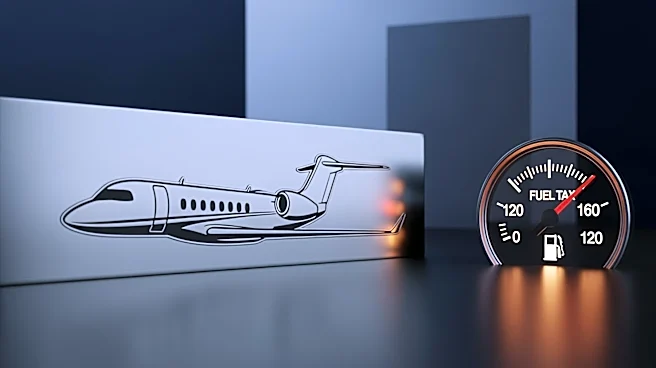
The Governor of Washington State has signed a bill repealing the 10% luxury tax on aircraft. This decision comes as part of a broader legislative package that includes an increase in fuel taxes by 7 cents per gallon. The repeal of the luxury tax is aimed
at alleviating financial burdens on aircraft owners and operators within the state. The luxury tax, initially implemented to generate revenue, faced criticism from the aviation industry for potentially stifling growth and investment. The new legislation seeks to balance the state's fiscal needs by adjusting fuel taxes, which are expected to offset the revenue loss from the luxury tax repeal.
Why It's Important?
The repeal of the luxury tax on aircraft in Washington State is significant for the aviation industry, as it may encourage more aircraft purchases and investments in the state. By removing the tax, the state aims to make its aviation sector more competitive and attractive to businesses and individuals. However, the increase in fuel taxes could impact operating costs for aircraft owners and operators. This legislative change reflects a shift in policy to support the aviation industry while still addressing state revenue needs through alternative means. Stakeholders in the aviation sector, including manufacturers and service providers, may benefit from increased activity and investment.
What's Next?
With the repeal of the luxury tax, stakeholders in the aviation industry will likely monitor the impact on aircraft sales and investments in Washington State. The increase in fuel taxes may prompt discussions among industry groups and policymakers about the balance between encouraging growth and maintaining state revenue. Aviation businesses and operators may need to adjust their financial strategies to accommodate the new tax structure. Additionally, other states may observe Washington's approach as a potential model for balancing industry support with fiscal responsibility.