







What's Happening?
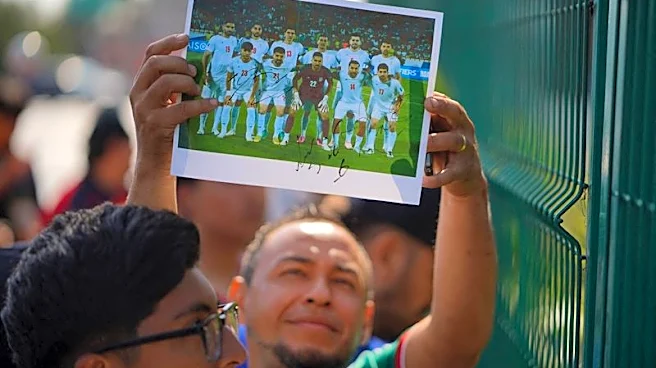
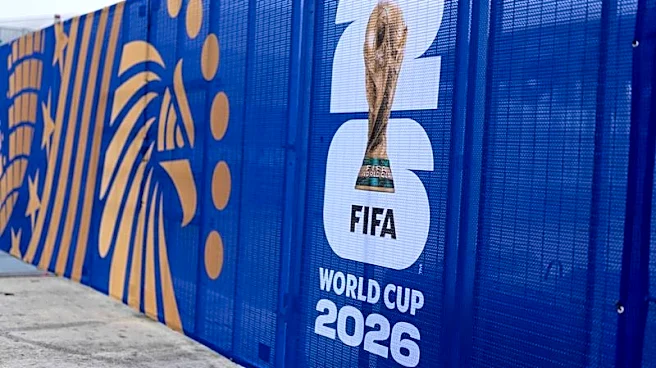
Iran's national soccer team is experiencing a challenging World Cup due to ongoing tensions with the United States, which is co-hosting the tournament. The team, led by captain Mehdi Taremi, has faced numerous disruptions, including visa issues and a relocation
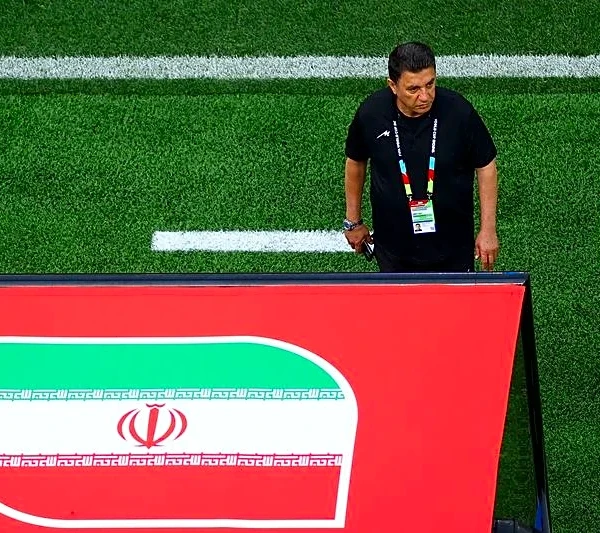
of their training camp from the U.S. to Mexico. The conflict began with a U.S. attack on Iran on February 28, resulting in the death of Iran's Supreme Leader, Ayatollah Ali Khamenei. Despite a peace deal announced by President Trump, tensions remain high, affecting the team's preparation and morale. Iran's coach, Amir Ghalenoei, expressed concerns about the impact of these tensions on the spirit of football, emphasizing the sport's role in promoting peace.
Why It's Important?
The situation highlights the intersection of sports and international politics, demonstrating how geopolitical conflicts can impact global events like the World Cup. The Iranian team's experience underscores the broader implications of the U.S.-Iran conflict, affecting not only diplomatic relations but also cultural and sporting exchanges. The challenges faced by the team may influence public perception and diplomatic efforts, as sports often serve as a platform for soft diplomacy. The disruptions could also affect the team's performance, potentially impacting their standing in the tournament and the morale of their supporters.
What's Next?
Iran is scheduled to play against New Zealand, Belgium, and Egypt in the group stage, with matches taking place in the U.S. The team will continue to navigate logistical challenges, including limited travel into the U.S. for matches. The outcome of these games and the team's ability to overcome these obstacles will be closely watched. Additionally, the broader geopolitical situation may evolve, with potential implications for future sporting events and international relations.