






What's Happening?
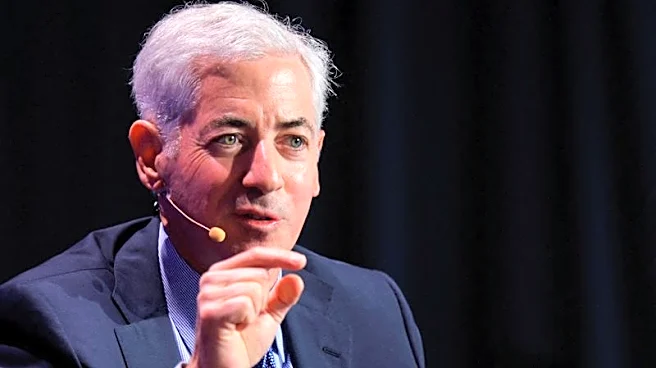
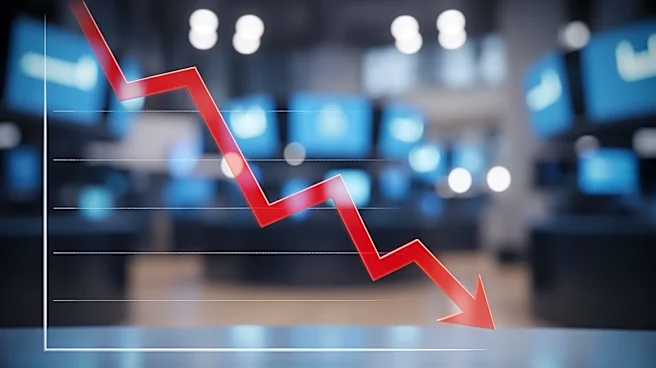
Bill Ackman's new closed-end fund, Pershing Square USA Ltd. (PSUS), experienced a significant drop in its stock value during its debut on the New York Stock Exchange. The shares opened at $42, down 16% from the initial public offering (IPO) price of $50,
and closed at $40.90, marking an 18% decline. The IPO, which raised $5 billion, was the largest-ever for a U.S. closed-end fund. Ackman aimed to model the fund after Warren Buffett's Berkshire Hathaway, offering retail investors a chance to invest with as little as $50. Despite these intentions, the market's response was negative, with skepticism about the fund's ability to avoid the typical discounts associated with closed-end funds. Ackman had previously delayed the IPO due to weak demand.
Why It's Important?
The poor performance of Pershing Square's IPO highlights the challenges faced by closed-end funds in attracting and retaining investor interest. The fund's structure, which locks in capital upfront, was intended to prevent forced liquidations and panic redemptions, a common issue with open-end mutual funds. However, the market's reaction suggests that investors remain cautious about the fund's potential returns and the novel approach of offering management-company shares as a sweetener. This development could impact future IPOs of similar funds and influence how hedge funds approach retail investors. The outcome also reflects broader market sentiments and the challenges of launching new financial products in a competitive environment.
What's Next?
Moving forward, Pershing Square will need to address investor concerns and demonstrate the fund's ability to deliver consistent returns. Ackman's promise of Berkshire-style annual meetings may provide a platform for engaging with investors and building trust. Additionally, the fund's performance in the coming months will be closely watched by the financial community, as it could set a precedent for other hedge funds considering similar IPOs. The response from institutional investors, who contributed significantly to the IPO, will also be critical in determining the fund's long-term success.