





What's Happening?
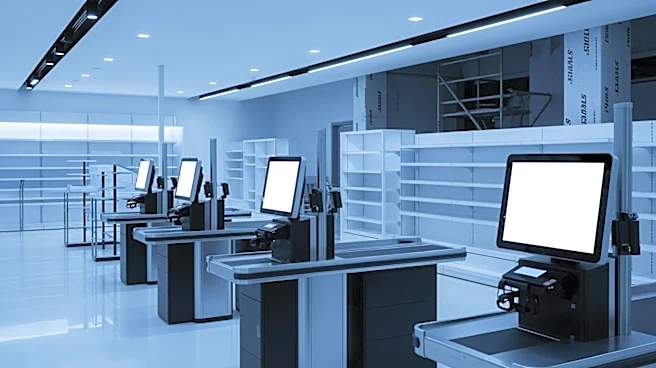
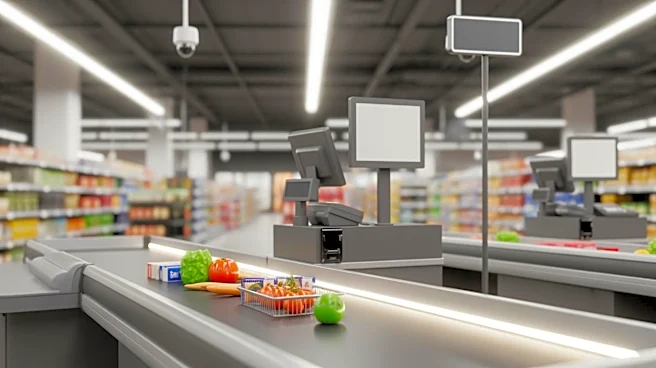
Walmart has decided to remove self-checkout lanes and return to traditional cashier-led service at its South Philadelphia store, marking a significant shift in its retail strategy. This change is part of a broader overhaul affecting hundreds of stores
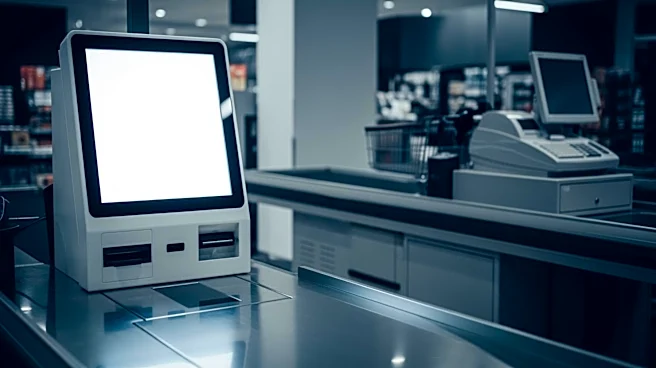
across the United States, including several in Pennsylvania. The decision follows an internal review of customer shopping habits and operational needs, with the aim of improving the checkout experience and providing more personalized customer service. While Walmart publicly frames this move as a customer-service decision, industry experts suggest that rising theft and inventory losses linked to self-checkout systems are major factors behind the change. Self-checkout kiosks, which gained popularity over the past decade for reducing labor costs and speeding up checkout times, have also been associated with increased shoplifting and customer frustration. As a result, other major retailers like Target and Dollar have also scaled back or limited self-checkout operations in certain locations.
Why It's Important?
This development highlights a significant reassessment within the retail industry regarding the role of automation. The shift back to cashier-led lanes underscores the challenges retailers face in balancing efficiency with security and customer satisfaction. Rising theft and inventory losses have prompted retailers to reconsider the effectiveness of self-checkout systems, which were initially adopted to streamline operations. The move by Walmart, a major player in the retail sector, could influence other companies to reevaluate their own checkout models. Additionally, the decision reflects broader concerns about the impact of automation on jobs and customer experience, as lawmakers in several states are considering regulations on self-checkout systems. This growing political scrutiny indicates that the debate over automation in retail is likely to continue, with potential implications for labor management and consumer protection.
What's Next?
Walmart's decision to revert to cashier-led lanes is part of a larger modernization strategy, which includes plans to remodel over 650 stores across the U.S. and open 20 new locations. The company is conducting store-by-store evaluations to determine the most effective checkout model for different communities, suggesting that further changes could be implemented in other markets. Meanwhile, legislative efforts to regulate self-checkout systems are gaining traction in states like California, New York, and Ohio. These proposals include mandatory staffing ratios, item limits at self-checkout, and requirements for a balance between automated and staffed lanes. As the retail industry continues to navigate these challenges, the outcomes of these legislative efforts and Walmart's ongoing evaluations will be closely watched by stakeholders.