


What's Happening?
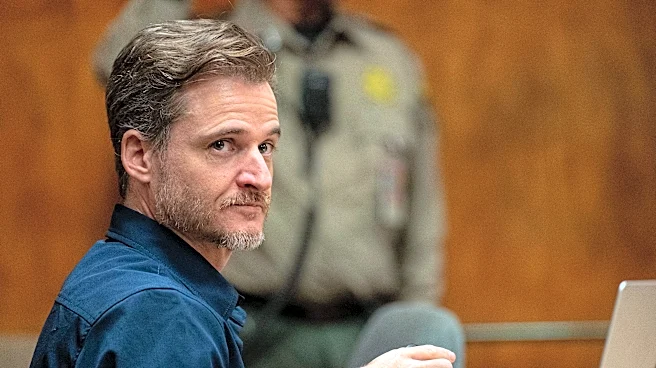
Brady Ebert, a former guitarist for the band Turnstile, has been arrested and charged with attempted second-degree murder and first-degree assault after allegedly hitting Brendan Yates' father, William, with his car. Ebert claims the incident was an act
of self-defense, stating he was attacked and that CCTV footage would support his account. The incident reportedly involved Ebert driving to William's house, honking, cursing, and then intentionally hitting him with the car. Ebert allegedly returned to the scene to tell William he 'deserved it' before emergency responders arrived. Turnstile has confirmed the severe physical trauma caused to William and expressed hope for his recovery.
Why It's Important?
This case highlights the serious legal and personal consequences of violent confrontations, especially involving public figures in the music industry. The incident has led to Ebert's expulsion from his new band, The S.E.T, and has raised questions about his behavior and past accusations against Turnstile. The case could impact Ebert's career and reputation, as well as the dynamics within the music community. It also underscores the importance of legal accountability and the potential influence of public opinion on legal proceedings.
What's Next?
The legal proceedings will continue as Ebert's claims of self-defense are examined. The outcome of the case could affect Ebert's future in the music industry and his relationships with former bandmates. Turnstile is moving forward with scheduled performances, including a headline show in the UK and appearances at Coachella. The music community will likely watch the case closely, as it may influence public perception and the band's future collaborations.
Beyond the Headlines
The incident raises broader questions about the pressures and conflicts within the music industry, particularly regarding financial disputes and personal relationships. Ebert's accusations against Turnstile for misusing funds and pandering to audiences reflect ongoing tensions that can arise in creative collaborations. The case may prompt discussions about the ethical responsibilities of artists and the impact of personal conduct on professional opportunities.