
What's Happening?
The film 'Iron Lung,' directed, written, and financed by YouTube gaming personality Mark 'Markiplier' Fischbach, has unexpectedly grossed $32 million at the box office. This low-budget sci-fi thriller
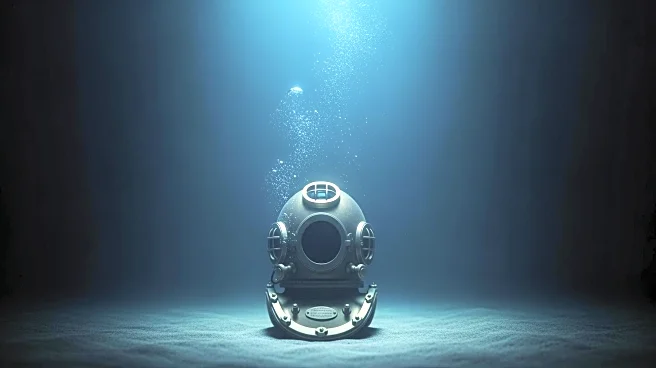
is adapted from an independent video game and follows a convict navigating a submarine through an ocean of human blood on a distant planet. The film's narrative mirrors the gameplay experience, with the protagonist solving environmental puzzles and using various tools, akin to a video game. This metatextual approach has resonated with audiences, particularly those familiar with Fischbach's YouTube content, where he plays the original game.
Why It's Important?
The success of 'Iron Lung' highlights a growing trend of YouTube content creators transitioning into traditional media, particularly film. This shift signifies a potential new avenue for content creation and distribution, where creators leverage their existing fan base to achieve success in more conventional entertainment formats. The film's performance suggests that audiences are increasingly open to hybrid entertainment experiences that blend elements of gaming and cinema. This could influence future film projects and encourage more creators to explore similar cross-media ventures.
What's Next?
Given the film's success, it is likely that more YouTube creators will consider similar transitions into film, potentially leading to a new wave of content that blurs the lines between gaming and cinema. Studios and producers may also take note of this trend, possibly investing in projects that originate from digital platforms. Additionally, the film's unique narrative style could inspire other filmmakers to experiment with integrating video game mechanics into their storytelling, further diversifying the types of films available to audiences.
Beyond the Headlines
The film's success raises questions about the evolving nature of media consumption and the role of digital platforms in shaping entertainment. As more creators from platforms like YouTube enter traditional media, there may be a shift in how content is produced and consumed, with audiences expecting more interactive and immersive experiences. This could lead to a reevaluation of traditional media formats and the development of new storytelling techniques that cater to a digitally savvy audience.