



What's Happening?
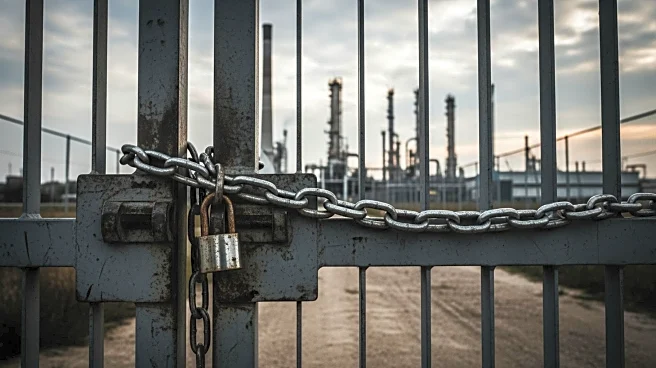
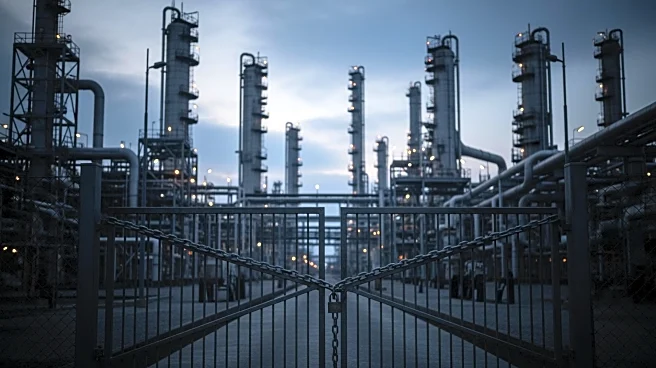
BP's Whiting refinery, located less than 20 miles from Chicago, has initiated a lockout following unsuccessful contract negotiations with the union. This facility is BP's largest refinery globally, with a production capacity of 440,000 barrels per day.
The lockout comes after months of discussions between BP and the union, which failed to reach a consensus on the terms of employment. The refinery's operations are crucial, given its significant output and proximity to a major urban center. The lockout is expected to impact the refinery's workforce and potentially affect fuel supply in the region.
Why It's Important?
The lockout at BP's Whiting refinery highlights ongoing labor disputes in the energy sector, which can have broader implications for fuel supply and prices. As one of the largest refineries in the U.S., any disruption in its operations could lead to supply chain issues, affecting fuel availability and prices in the Midwest. The situation underscores the importance of labor relations in maintaining stable operations in critical industries. The outcome of these negotiations could set a precedent for other labor disputes in the energy sector, influencing future union negotiations and labor policies.
What's Next?
The next steps will likely involve continued negotiations between BP and the union to resolve the dispute. Both parties may seek mediation or arbitration to reach an agreement. The lockout's duration will depend on the progress of these discussions. In the meantime, BP may implement contingency plans to maintain some level of operations at the refinery. The situation will be closely monitored by industry stakeholders, including other refineries, fuel distributors, and government agencies, to assess its impact on the regional fuel market.