



What's Happening?
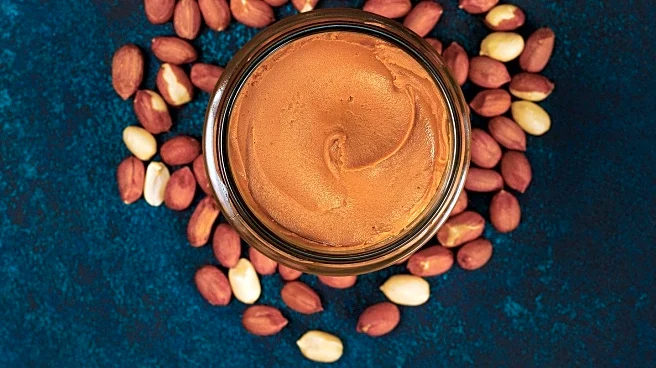
Registered dietitians have outlined the health benefits of consuming peanut butter daily, emphasizing its nutritional value. Peanut butter is rich in healthy fats, plant-based protein, magnesium, and antioxidants, which contribute to heart, brain, and overall
health. The combination of fat, protein, and fiber in peanut butter helps maintain satiety and stabilize blood sugar levels by slowing digestion and carbohydrate absorption. Experts recommend consuming one to two tablespoons per day, focusing on varieties made primarily from peanuts to maximize health benefits. The monounsaturated and polyunsaturated fats in peanut butter are noted for lowering LDL cholesterol and raising HDL cholesterol, while magnesium supports healthy blood pressure and vitamin E acts as an antioxidant.
Why It's Important?
The inclusion of peanut butter in a daily diet can have significant health implications, particularly for heart health and blood sugar control. By lowering LDL cholesterol and stabilizing blood sugar, peanut butter can reduce the risk of heart disease and type 2 diabetes. This is particularly relevant in the U.S., where heart disease and diabetes are prevalent health concerns. The protein content in peanut butter also supports muscle maintenance and immune function, making it a valuable dietary component for those following vegetarian or plant-based diets. However, due to its calorie density, portion control is crucial to avoid potential weight gain.
What's Next?
Consumers are encouraged to incorporate peanut butter into their diets in moderation, ensuring they choose products with minimal added sugars. As awareness of its health benefits grows, there may be increased demand for natural peanut butter products. Dietitians may continue to advocate for its inclusion in balanced diets, particularly for individuals seeking plant-based protein sources. Further research could explore additional health benefits or potential risks associated with long-term consumption.
Beyond the Headlines
The broader implications of this dietary advice include potential shifts in consumer behavior towards more plant-based protein sources, which could impact the food industry. As more people seek to improve heart health and manage blood sugar levels, the demand for natural, minimally processed foods like peanut butter may rise. This trend aligns with growing health consciousness and the movement towards sustainable eating practices.