





What's Happening?
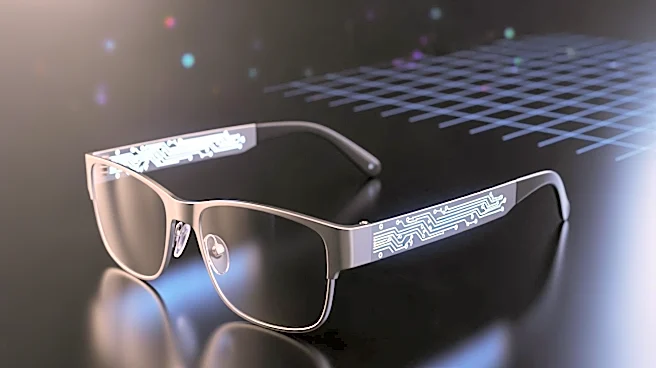
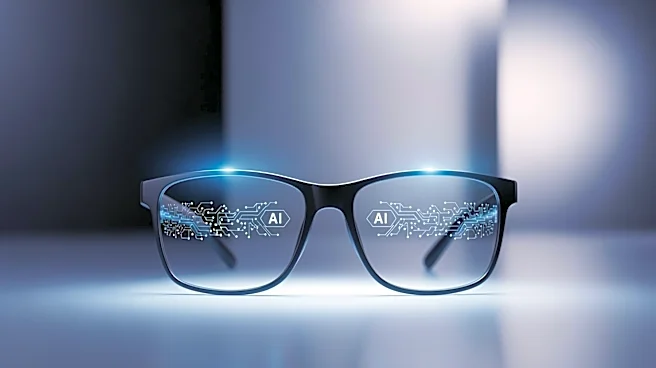
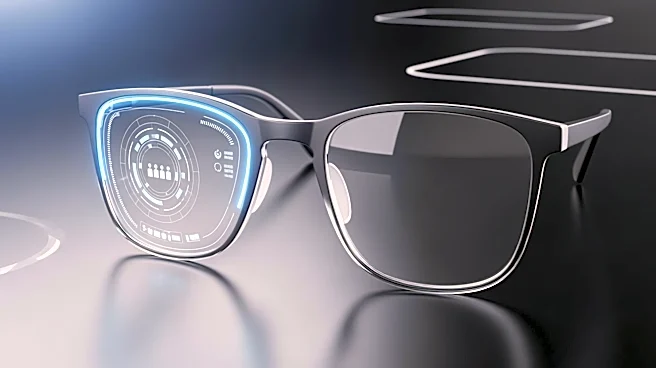
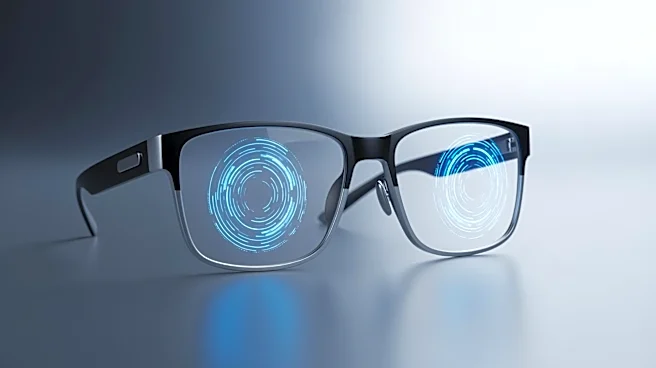
In 2026, several tech companies are advancing the development of smart glasses, integrating artificial intelligence to enhance user experience. Apple is reportedly testing four different frame designs, aiming for a comfortable fit and seamless platform
integration. Samsung has leaked images of slim-frame glasses, suggesting a focus on style to increase adoption. Snap is incorporating the Snapdragon XR platform into its glasses, bringing on-device AI capabilities. Google is also working on AI glasses that integrate tightly with its services. These developments indicate a competitive race among tech giants to capture the smart glasses market, with a focus on both functionality and style.
Why It's Important?
The integration of AI into smart glasses represents a significant shift in wearable technology, potentially transforming how users interact with digital information. This innovation could lead to new applications in various fields, including navigation, communication, and augmented reality experiences. For tech companies, capturing a share of this emerging market could mean substantial financial gains and influence over future tech trends. Consumers stand to benefit from more intuitive and integrated digital experiences, while businesses may find new opportunities in developing applications and services tailored to these advanced wearables.
What's Next?
As these smart glasses move closer to market readiness, companies will likely focus on refining their designs and ensuring seamless integration with existing ecosystems. Consumer feedback will play a crucial role in shaping final products, and early adopters may influence broader market trends. Regulatory considerations, particularly around privacy and data security, will also be important as these devices become more prevalent. The success of these products will depend on their ability to offer practical benefits without compromising user privacy or comfort.