
What's Happening?
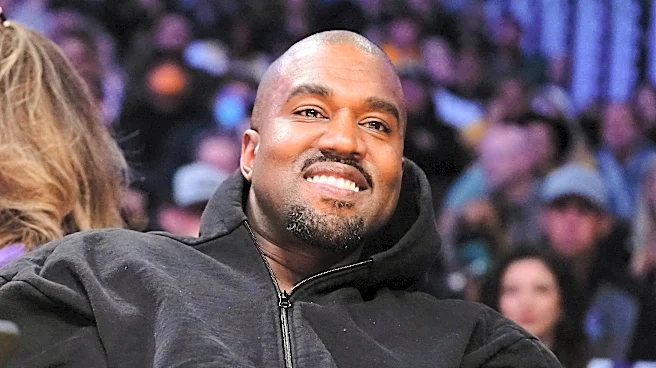
The Wireless Festival, a major music event in the U.K., has faced significant controversy following the announcement of Ye, formerly known as Kanye West, as a headliner. Melvin Benn, managing director
at Festival Republic, the promoter behind Wireless, has publicly defended Ye despite backlash over his past antisemitic remarks. Benn emphasized forgiveness and second chances, citing personal experiences with individuals suffering from mental health issues. The controversy has led to several sponsors, including Pepsi, Diageo, Rockstar, and Paypal, withdrawing their support. British Prime Minister Keir Starmer has also condemned Ye's appearance, highlighting concerns over antisemitism and the safety of Jewish communities.
Why It's Important?
The decision to feature Ye as a headliner at Wireless Festival has sparked a broader debate on the balance between artistic freedom and accountability for past actions. The withdrawal of major sponsors underscores the financial and reputational risks associated with controversial figures. This situation highlights the growing importance of corporate social responsibility and the impact of public opinion on business decisions. The controversy also reflects ongoing societal challenges in addressing antisemitism and promoting inclusivity, with implications for cultural events and public discourse.
What's Next?
As the Wireless Festival approaches, further sponsor withdrawals or public protests could occur, potentially affecting the festival's financial viability and public image. The festival organizers may need to reassess their decision or implement measures to address public concerns. Additionally, Ye's performance could be closely monitored for any controversial statements, influencing future bookings and collaborations. The situation may prompt broader discussions within the music industry about the responsibilities of artists and event organizers in promoting positive social values.
Beyond the Headlines
The controversy surrounding Ye's participation in the Wireless Festival raises questions about the role of forgiveness and redemption in public life. It challenges the notion of whether individuals with a history of harmful statements can be reintegrated into mainstream cultural events. This debate touches on ethical considerations regarding the separation of art from the artist and the potential for personal growth and change. The situation may influence future policies on artist selection and sponsorship criteria in the entertainment industry.