
What's Happening?
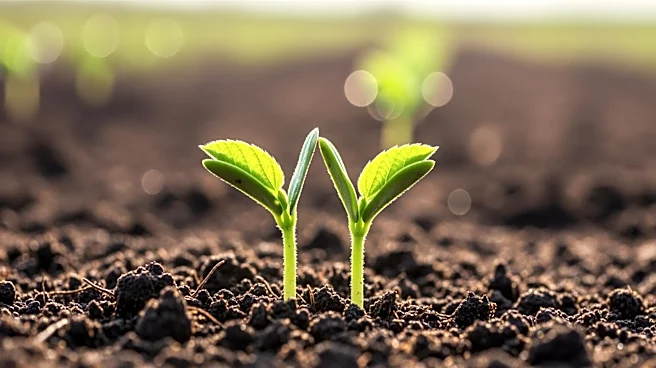
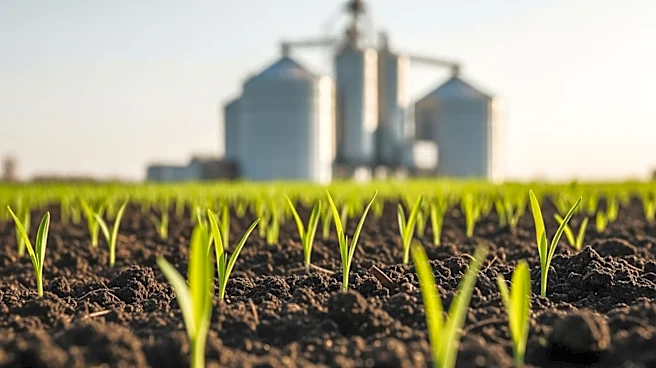
Corteva Agriscience, a leader in agricultural innovation, is advocating for early soybean planting as a strategy to optimize the growing season and increase yields. According to Eric Scherder, Ph.D., U.S. Crop Protection Technical Lead at Corteva, early planting allows
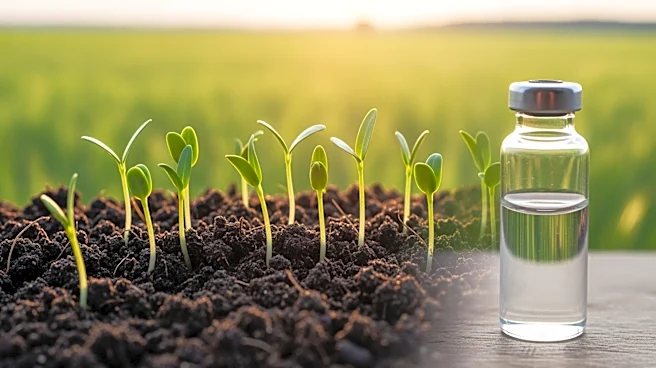
soybeans to establish better stand uniformity compared to corn, thereby maximizing the growing season. This approach is supported by advancements in soybean seed treatments and genetics, which have improved the resilience and productivity of early-planted crops. Scherder emphasizes the importance of fine-tuning planting equipment, using seed treatments to protect against diseases, and selecting cold-tolerant seed genetics. Additionally, a robust weed control program is crucial, as early planting extends the window for weed emergence, necessitating effective preemergence and postemergence herbicide applications.
Why It's Important?
The push for early soybean planting is significant for U.S. agriculture as it offers potential economic benefits for growers. By planting early, farmers can spread their workload over the harvest season, potentially leading to higher returns on investment due to increased yields and better market prices. The advancements in seed treatments and genetics are pivotal in making early planting a viable option, as they enhance crop resilience and productivity. This shift in planting strategy could lead to broader adoption of innovative agricultural practices, driving efficiency and profitability in the farming sector. The emphasis on effective weed control also highlights the need for integrated pest management strategies, which are essential for sustainable agriculture.
What's Next?
As more growers consider early soybean planting, they will need to adapt their business plans to accommodate the extended weed control window and the associated input costs. Corteva's recommendations for using multiple modes of action in herbicides and maximizing label rates will be crucial for managing weeds effectively. The agricultural community may see increased collaboration between seed companies, agronomists, and farmers to refine planting techniques and optimize crop management practices. Continued research and development in seed technology and crop protection will likely play a key role in supporting this trend.